Buy tduq.com ?
We are moving the project
tduq.com .
Are you interested in purchasing the domain
tduq.com ?
domain@kv-gmbh.de · 0541-91531010
Buy tduq.com ?
How do the rated voltage, nominal voltage, and operating voltage differ?
The rated voltage is the maximum voltage that a device can safely handle without being damaged. The nominal voltage is the standard voltage level at which a device is designed to operate efficiently. The operating voltage is the actual voltage at which a device is currently operating. These three values can differ, with the rated voltage being the highest, followed by the nominal voltage, and the operating voltage fluctuating within a certain range depending on the conditions. **
How do medium voltage, high voltage, and extra-high voltage affect the human body?
Medium voltage, high voltage, and extra-high voltage can all have varying effects on the human body depending on the level of exposure. Medium voltage (1kV to 69kV) can cause burns and muscle contractions, high voltage (69kV to 230kV) can lead to severe burns, cardiac arrest, and even death, while extra-high voltage (above 230kV) can result in instant death due to the high levels of electrical energy passing through the body. It is crucial to exercise caution and follow safety protocols when working with or near these voltage levels to prevent any harm to individuals. **


Similar search terms for Voltage
Top-Angebote
Products related to Voltage:



-
Where can one find the missing voltage difference between battery voltage and consumer voltage?
The missing voltage difference between battery voltage and consumer voltage can be found in the electrical components that make up the circuit between the battery and the consumer. This could include resistors, capacitors, inductors, or other components that may be affecting the voltage. By analyzing the circuit and using techniques such as Kirchhoff's voltage law and Ohm's law, one can identify and calculate the missing voltage difference. Additionally, using a multimeter to measure the voltage at different points in the circuit can help pinpoint where the voltage drop is occurring. **
-
Which voltage converter?
The best voltage converter to use depends on the specific devices you are trying to power and the countries you will be traveling to. For most electronic devices, a voltage converter that can handle a range of voltages (such as 100-240V) is recommended. Additionally, it is important to consider the wattage requirements of your devices to ensure the voltage converter can handle the power load. It is also a good idea to look for a converter that has built-in surge protection to safeguard your devices from power spikes. **
-
Do you get an electric shock if you touch high voltage with rubber gloves?
Rubber gloves are insulators and can protect you from electric shocks to some extent. However, if the voltage is high enough, the rubber gloves may not provide enough protection and you could still get an electric shock. It is always best to avoid touching high voltage sources, even when wearing rubber gloves, and to follow proper safety procedures when working with electricity. **
-
What is the difference between operating voltage and resting voltage?
Operating voltage refers to the voltage required for a device to function properly and carry out its intended tasks. Resting voltage, on the other hand, is the voltage level when the device is not in use or in an idle state. Operating voltage is typically higher than resting voltage as the device needs more power to perform its functions. **
What is the difference between working voltage and resting voltage?
Working voltage refers to the voltage required for a device or system to operate or function properly. It is the voltage at which the device is actively performing its intended function. Resting voltage, on the other hand, refers to the voltage level when the device is not in use or in a standby mode. It is the voltage present in the system when it is at rest or idle. **
What is the meaning of high voltage and low voltage?
High voltage refers to an electrical potential difference that is significantly higher than the standard voltage levels, typically above 1000 volts. It is commonly used in power transmission and distribution to reduce energy losses over long distances. On the other hand, low voltage refers to a lower electrical potential difference, usually below 1000 volts, and is commonly used in household appliances and electronics. The distinction between high voltage and low voltage is important for safety reasons and to ensure the proper functioning of electrical systems. **
Top-Angebote
Products related to Voltage:
-
Omni Station (Low Voltage)eufy Omni Station (Low Votage) Authentic part manufactured by eufy. Compatible with X10 Pro Omni. Note: Power cord and dust bag are not included, You can purchase it through those links: Power cord: https://www.eufy.com/products/t2276111-91 Dust...335,00 $*Shipping: 0,00 $Secure redirect to the provider
-
How do the rated voltage, nominal voltage, and operating voltage differ?
The rated voltage is the maximum voltage that a device can safely handle without being damaged. The nominal voltage is the standard voltage level at which a device is designed to operate efficiently. The operating voltage is the actual voltage at which a device is currently operating. These three values can differ, with the rated voltage being the highest, followed by the nominal voltage, and the operating voltage fluctuating within a certain range depending on the conditions. **
-
How do medium voltage, high voltage, and extra-high voltage affect the human body?
Medium voltage, high voltage, and extra-high voltage can all have varying effects on the human body depending on the level of exposure. Medium voltage (1kV to 69kV) can cause burns and muscle contractions, high voltage (69kV to 230kV) can lead to severe burns, cardiac arrest, and even death, while extra-high voltage (above 230kV) can result in instant death due to the high levels of electrical energy passing through the body. It is crucial to exercise caution and follow safety protocols when working with or near these voltage levels to prevent any harm to individuals. **
-
Where can one find the missing voltage difference between battery voltage and consumer voltage?
The missing voltage difference between battery voltage and consumer voltage can be found in the electrical components that make up the circuit between the battery and the consumer. This could include resistors, capacitors, inductors, or other components that may be affecting the voltage. By analyzing the circuit and using techniques such as Kirchhoff's voltage law and Ohm's law, one can identify and calculate the missing voltage difference. Additionally, using a multimeter to measure the voltage at different points in the circuit can help pinpoint where the voltage drop is occurring. **
-
Which voltage converter?
The best voltage converter to use depends on the specific devices you are trying to power and the countries you will be traveling to. For most electronic devices, a voltage converter that can handle a range of voltages (such as 100-240V) is recommended. Additionally, it is important to consider the wattage requirements of your devices to ensure the voltage converter can handle the power load. It is also a good idea to look for a converter that has built-in surge protection to safeguard your devices from power spikes. **
Similar search terms for Voltage
-
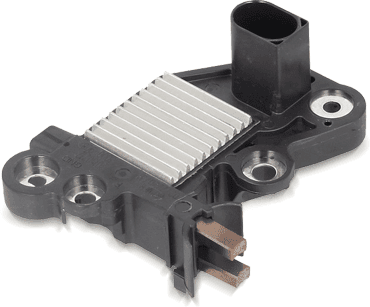
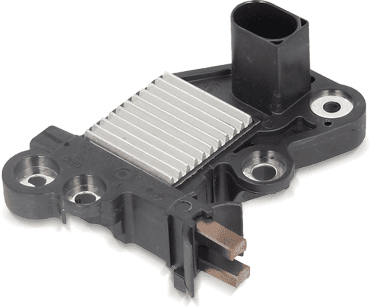
AIC 56205 Alternator voltage regulatorVoltage [V]: 14,2; Guarantee: 5 years guarantee or up to 75,000km; Construction Year to: 06/2003, 03/2005, 03/2006, 12/2006, 04/2004; Engine Number to: 30070143, 30063209, 30057354; Construction Year from: 07/2003; for engine number: 30070144; Engine Number from: 3007014430,49 £*Shipping: 8,45 £Secure redirect to the provider
-
Do you get an electric shock if you touch high voltage with rubber gloves?
Rubber gloves are insulators and can protect you from electric shocks to some extent. However, if the voltage is high enough, the rubber gloves may not provide enough protection and you could still get an electric shock. It is always best to avoid touching high voltage sources, even when wearing rubber gloves, and to follow proper safety procedures when working with electricity. **
-
What is the difference between operating voltage and resting voltage?
Operating voltage refers to the voltage required for a device to function properly and carry out its intended tasks. Resting voltage, on the other hand, is the voltage level when the device is not in use or in an idle state. Operating voltage is typically higher than resting voltage as the device needs more power to perform its functions. **
-
What is the difference between working voltage and resting voltage?
Working voltage refers to the voltage required for a device or system to operate or function properly. It is the voltage at which the device is actively performing its intended function. Resting voltage, on the other hand, refers to the voltage level when the device is not in use or in a standby mode. It is the voltage present in the system when it is at rest or idle. **
-
What is the meaning of high voltage and low voltage?
High voltage refers to an electrical potential difference that is significantly higher than the standard voltage levels, typically above 1000 volts. It is commonly used in power transmission and distribution to reduce energy losses over long distances. On the other hand, low voltage refers to a lower electrical potential difference, usually below 1000 volts, and is commonly used in household appliances and electronics. The distinction between high voltage and low voltage is important for safety reasons and to ensure the proper functioning of electrical systems. **
* All prices are inclusive of VAT and, if applicable, plus shipping costs. The offer information is based on the details provided by the respective shop and is updated through automated processes. Real-time updates do not occur, so deviations can occur in individual cases. ** Note: Parts of this content were created by AI.