Buy tduq.com ?
We are moving the project
tduq.com .
Are you interested in purchasing the domain
tduq.com ?
domain@kv-gmbh.de · 0541-91531010
Buy tduq.com ?
'How do you change disposable gloves?'
To change disposable gloves, first remove the first glove by pinching the outside of the glove near the wrist and pulling it off, being careful not to touch the outside of the glove with your bare skin. Then, hold the removed glove in the hand that is still gloved, and use your bare hand to slide a finger underneath the wrist of the remaining glove and pull it off inside out, so that the first glove is contained within the second glove. Dispose of the gloves in a proper waste receptacle and wash your hands thoroughly with soap and water. **
How does the helmet change color?
The helmet changes color through a process called photochromism. This means that the helmet's visor or shell contains special molecules that react to UV light, causing the color to change. When exposed to sunlight, the molecules in the helmet's material undergo a chemical reaction that alters their structure, resulting in a change in color. This allows the helmet to darken in bright sunlight and lighten in darker conditions, providing the wearer with optimal visibility and protection. **


Similar search terms for Change
Top-Angebote
Products related to Change:
-
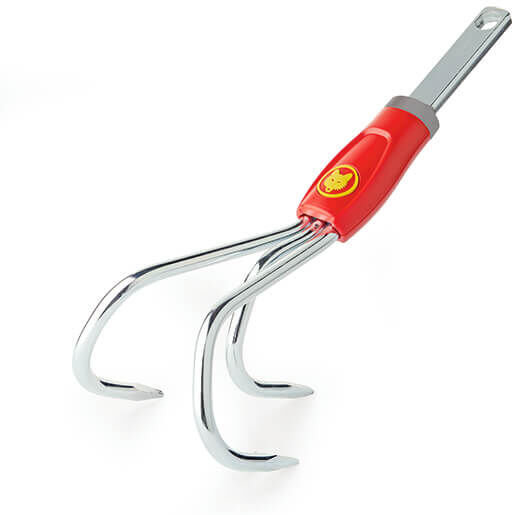
Wolf Garten Multi-Change GrubberThe Wolf Garten Multi-Change Grubber features 3 pointed tines making it easy to break up heavy soil and stony areas when gardening at home. Great for aerating soil ahead of planting or working soil between crops and plants in beds or borders. The 3 heavy duty angled tines help to reduce strain when gardening and is self sharpening, especially ideal on stony ground. Designed to be used (sold separately) with your choice of handle with a simple push of the button and a gentle click. Made in Germany and complete with a 35 year manufacturers guarantee. Dimensions: 25(H) x 9(W) x 9(L)cm.17,99 £*Shipping: 3,50 £Secure redirect to the provider


-
Do leather shoes change color?
Yes, leather shoes can change color over time due to exposure to sunlight, moisture, and other environmental factors. For example, leather shoes may darken or develop a patina with age, giving them a unique and personalized appearance. Additionally, some leather shoes may be treated with dyes or finishes that can fade or change color with wear and tear. Regular cleaning and conditioning can help maintain the color and appearance of leather shoes. **
-
Can you change a bicycle valve?
Yes, you can change a bicycle valve. First, you need to remove the old valve by unscrewing it from the inner tube. Then, you can insert the new valve into the hole in the inner tube and secure it in place by tightening the valve nut. Finally, you can inflate the tire and check for any leaks. It's a relatively simple process that can be done with the right tools and a bit of patience. **
-
How do you change a bicycle tire?
To change a bicycle tire, start by flipping the bike over or placing it in a bike stand. Use a tire lever to pry the tire off the rim, starting at a point opposite the valve stem. Once the tire is off, remove the inner tube and replace it with a new one. Carefully re-seat the tire onto the rim, making sure the tube is not pinched, and inflate the tire to the recommended pressure. **
-
How often should you change bicycle tires?
You should change bicycle tires when they are worn out or damaged. The frequency of tire changes depends on the type of riding you do, the condition of the roads you ride on, and the quality of the tires. On average, bicycle tires should be replaced every 2,000-3,000 miles, but it's important to regularly inspect your tires for signs of wear and tear such as cracks, cuts, or tread wear. Additionally, if you notice a decrease in performance or an increase in flats, it may be time to replace your tires. **

How do I change the bicycle chain?
To change a bicycle chain, you will need a chain tool, a new chain that matches the speed of your bike's cassette, and possibly a pair of master link pliers if your chain uses a master link. Start by removing the old chain by breaking it at any link using the chain tool. Then, thread the new chain through the derailleur and around the cassette, making sure it is the correct length for your bike. Finally, use the chain tool to connect the ends of the new chain, and make any necessary adjustments to ensure proper tension and shifting. **
When do I need to change my riding helmet?
It is recommended to change your riding helmet every 5-8 years, even if it has not been involved in a fall or impact. Over time, the materials in the helmet can degrade, reducing its effectiveness in protecting your head. Additionally, if your helmet has been involved in a fall or impact, it should be replaced immediately, as it may have sustained damage that is not visible to the naked eye. Regularly inspect your helmet for any signs of wear and tear, such as cracks, dents, or loose padding, and replace it if necessary. **
Top-Angebote
Products related to Change:
-
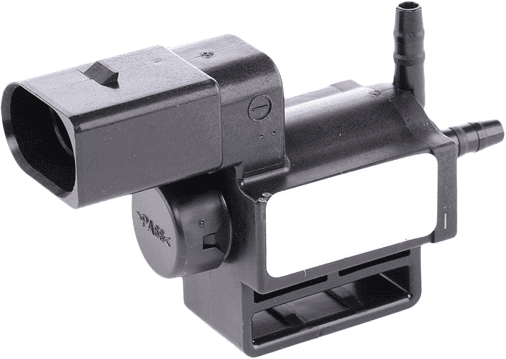
ESEN SKV 14SKV849 Change-Over Valve, change-over flap (induction pipe)Operating Mode: Electric; Valve Type: Switch Valve; Voltage [V]: 12; Number of pins: 2; Guarantee: 3 years guarantee; Always compare old and new part (in particular OE No.):13,49 £*Shipping: 8,45 £Secure redirect to the provider
-
'How do you change disposable gloves?'
To change disposable gloves, first remove the first glove by pinching the outside of the glove near the wrist and pulling it off, being careful not to touch the outside of the glove with your bare skin. Then, hold the removed glove in the hand that is still gloved, and use your bare hand to slide a finger underneath the wrist of the remaining glove and pull it off inside out, so that the first glove is contained within the second glove. Dispose of the gloves in a proper waste receptacle and wash your hands thoroughly with soap and water. **
-
How does the helmet change color?
The helmet changes color through a process called photochromism. This means that the helmet's visor or shell contains special molecules that react to UV light, causing the color to change. When exposed to sunlight, the molecules in the helmet's material undergo a chemical reaction that alters their structure, resulting in a change in color. This allows the helmet to darken in bright sunlight and lighten in darker conditions, providing the wearer with optimal visibility and protection. **
-
Do leather shoes change color?
Yes, leather shoes can change color over time due to exposure to sunlight, moisture, and other environmental factors. For example, leather shoes may darken or develop a patina with age, giving them a unique and personalized appearance. Additionally, some leather shoes may be treated with dyes or finishes that can fade or change color with wear and tear. Regular cleaning and conditioning can help maintain the color and appearance of leather shoes. **
-
Can you change a bicycle valve?
Yes, you can change a bicycle valve. First, you need to remove the old valve by unscrewing it from the inner tube. Then, you can insert the new valve into the hole in the inner tube and secure it in place by tightening the valve nut. Finally, you can inflate the tire and check for any leaks. It's a relatively simple process that can be done with the right tools and a bit of patience. **
Similar search terms for Change
-
Wolf Garten Multi-Change GrubberThe Wolf Garten Multi-Change Grubber features 3 pointed tines making it easy to break up heavy soil and stony areas when gardening at home. Great for aerating soil ahead of planting or working soil between crops and plants in beds or borders. The 3 heavy duty angled tines help to reduce strain when gardening and is self sharpening, especially ideal on stony ground. Designed to be used (sold separately) with your choice of handle with a simple push of the button and a gentle click. Made in Germany and complete with a 35 year manufacturers guarantee. Dimensions: 25(H) x 9(W) x 9(L)cm.17,99 £*Shipping: 3,50 £Secure redirect to the provider
-
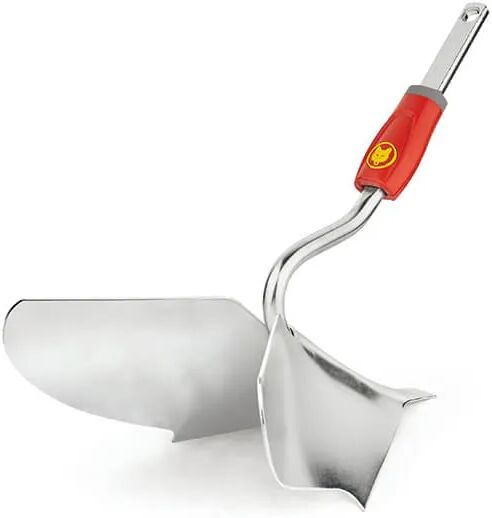
Wolf Garten Multi-Change RidgerThe Wolf Garten Multi-Change Ridger is a wide edge tool that can create 20cm wide furrows in the soil, ideal for planting larger items like potatoes. The sharp end helps to achieve deep furrows with minimal effort but with producing consistent results. Designed to be used with your choice of handle (sold separately) with a simple push of the button and a gentle click. Made in Germany and complete with a 35 year manufacturers guarantee. Dimensions: 40(H) x 20(W) x 25(L)cm.29,69 £*Shipping: 3,50 £Secure redirect to the provider
-
Must-Read Biographies: Change MakersGreta Thunberg, Sitting Bull, Sojourner Truth, Barack Obama... Students will be fascinated by these people's stories, as well as those of the other notable figures in this set. Engaging short texts detail their diverse backgrounds, the challenges...26,99 $*Shipping: 0,00 $Secure redirect to the provider
-
How do you change a bicycle tire?
To change a bicycle tire, start by flipping the bike over or placing it in a bike stand. Use a tire lever to pry the tire off the rim, starting at a point opposite the valve stem. Once the tire is off, remove the inner tube and replace it with a new one. Carefully re-seat the tire onto the rim, making sure the tube is not pinched, and inflate the tire to the recommended pressure. **
-
How often should you change bicycle tires?
You should change bicycle tires when they are worn out or damaged. The frequency of tire changes depends on the type of riding you do, the condition of the roads you ride on, and the quality of the tires. On average, bicycle tires should be replaced every 2,000-3,000 miles, but it's important to regularly inspect your tires for signs of wear and tear such as cracks, cuts, or tread wear. Additionally, if you notice a decrease in performance or an increase in flats, it may be time to replace your tires. **
-
How do I change the bicycle chain?
To change a bicycle chain, you will need a chain tool, a new chain that matches the speed of your bike's cassette, and possibly a pair of master link pliers if your chain uses a master link. Start by removing the old chain by breaking it at any link using the chain tool. Then, thread the new chain through the derailleur and around the cassette, making sure it is the correct length for your bike. Finally, use the chain tool to connect the ends of the new chain, and make any necessary adjustments to ensure proper tension and shifting. **
-
When do I need to change my riding helmet?
It is recommended to change your riding helmet every 5-8 years, even if it has not been involved in a fall or impact. Over time, the materials in the helmet can degrade, reducing its effectiveness in protecting your head. Additionally, if your helmet has been involved in a fall or impact, it should be replaced immediately, as it may have sustained damage that is not visible to the naked eye. Regularly inspect your helmet for any signs of wear and tear, such as cracks, dents, or loose padding, and replace it if necessary. **
* All prices are inclusive of VAT and, if applicable, plus shipping costs. The offer information is based on the details provided by the respective shop and is updated through automated processes. Real-time updates do not occur, so deviations can occur in individual cases. ** Note: Parts of this content were created by AI.