Buy tduq.com ?
We are moving the project
tduq.com .
Are you interested in purchasing the domain
tduq.com ?
domain@kv-gmbh.de · 0541-91531010
Buy tduq.com ?
Why do cationic surfactants have lower cleaning power?
Cationic surfactants have lower cleaning power because they are less effective at removing dirt and oil from surfaces. This is because their positively charged head groups are attracted to negatively charged particles, such as dirt and oil, making it more difficult for them to effectively lift and remove these particles from surfaces. Additionally, cationic surfactants are not as effective at reducing surface tension, which is important for breaking up and dispersing dirt and oil. As a result, cationic surfactants are not as efficient at cleaning compared to anionic or nonionic surfactants. **
What are anionic and cationic surfactants used for?
Anionic surfactants are used for their ability to remove dirt and oil from surfaces, making them effective in cleaning products such as laundry detergents, dishwashing liquids, and household cleaners. They have a negative charge and are good at breaking down grease and grime. Cationic surfactants, on the other hand, are used for their ability to provide conditioning and softening properties, making them common in hair conditioners, fabric softeners, and skincare products. They have a positive charge and are effective at reducing static and improving the feel of fabrics and hair. **
Similar search terms for Dietmed-Cationic-Elastic-15
Top-Angebote
Products related to Dietmed-Cationic-Elastic-15:
-
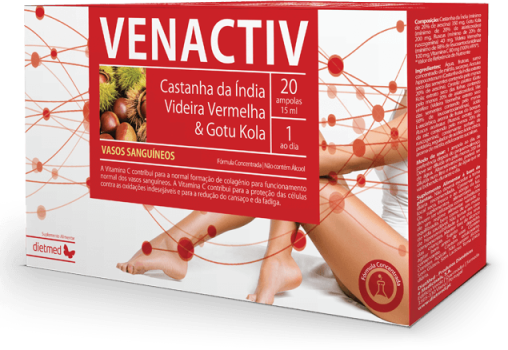
Dietmed Venactiv 15 ml 20 AmpoulesNutrition and Supplements Natural Extracts Dietmed Venactiv 15 ml 20 Ampoules Vitamin C contributes to the normal formation of collagen for the normal functioning of the blood vessels. Vitamin C contributes to the protection of cells against undesirable oxidation and to reducing fatigue and tiredness. 1 ampoule per day, preferably after breakfast. To be diluted with at least 200 ml water. Alternatively, it can be diluted with 1.5 litres of water to be drunk during the day.23,10 £*Shipping: 4,99 £Secure redirect to the provider
-
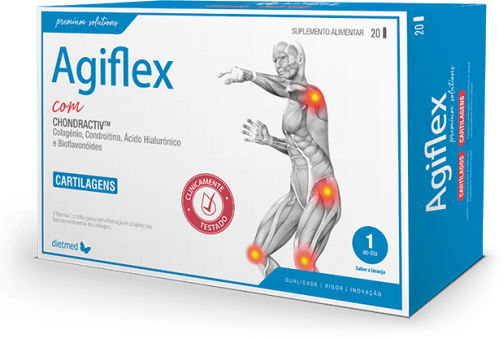
Dietmed Agiflex 20*15 ml AmpoulesNutrition and Supplements Collagens and Cartilage Dietmed Agiflex 20*15 ml Ampoules Vitamin C contributes to the normal formation of collagen for the normal functioning of the cartilage. HOW TO USE IT: - One ampoule per day, preferably before breakfast. It can be diluted in water or fruit juice. PRESENTATION 20 ampoules of 15 ml.37,11 £*Shipping: 3,99 £Secure redirect to the provider


-
Is viscose elastic?
No, viscose is not elastic. Viscose is a type of rayon fabric made from natural fibers such as wood pulp. It is known for its soft and smooth texture, but it does not have the stretch or elasticity that is characteristic of elastic materials like spandex or elastane. Viscose can drape well and has good moisture-wicking properties, but it does not have the ability to stretch and bounce back like elastic fabrics do. **
-
What is the difference between anionic and cationic polymerization?
Anionic polymerization involves the initiation of polymerization by a negatively charged species, such as an anion, while cationic polymerization is initiated by a positively charged species, such as a cation. Anionic polymerization typically requires low temperatures and anhydrous conditions, while cationic polymerization can occur at room temperature and in the presence of moisture. Additionally, anionic polymerization tends to be more versatile in terms of monomer selection and can produce polymers with more controlled structures compared to cationic polymerization. **
-
Can you finish an inelastic cotton fabric with an elastic jersey bias binding?
Yes, it is possible to finish an inelastic cotton fabric with an elastic jersey bias binding. The elastic jersey bias binding will provide stretch and flexibility to the edges of the fabric, allowing for a comfortable and secure fit. This combination can be a great way to add a pop of color or texture to a garment while also ensuring a comfortable and flexible finish. Just make sure to sew the binding carefully to ensure a clean and professional look. **
-
Can you finish an inelastic cotton fabric with an elastic jersey bias tape?
Yes, it is possible to finish an inelastic cotton fabric with an elastic jersey bias tape. The elastic jersey bias tape will provide stretch and flexibility to the edges of the fabric, allowing for a comfortable and secure finish. However, it is important to consider the weight and thickness of the fabric and bias tape to ensure that they work well together and do not create bulkiness or distortion in the finished garment. Testing the combination on a small sample piece before applying it to the entire project is recommended to ensure the desired result. **


How do I sew the elastic band onto my pointe shoes?
To sew the elastic band onto your pointe shoes, start by measuring the length of elastic needed to comfortably fit around your ankle. Then, pin the elastic in place on the inside of the heel of the shoe, making sure it is snug but not too tight. Use a strong, durable thread and a needle to sew the elastic in place, making several passes to ensure it is secure. Finally, trim any excess elastic and thread, and repeat the process for the other shoe. **
Why are elastomers actually elastic?
Elastomers are actually elastic because of their unique molecular structure. They are made up of long, coiled polymer chains that can be stretched and then return to their original shape when the force is removed. This is due to the entropic elasticity of the polymer chains, which allows them to easily slide past each other and then spring back into place. Additionally, the presence of cross-links between the polymer chains provides additional strength and resilience, allowing elastomers to maintain their elasticity over many cycles of stretching and relaxing. **
Top-Angebote
Products related to Dietmed-Cationic-Elastic-15:
-
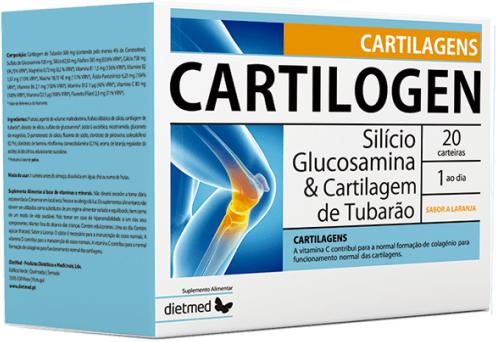
Dietmed Cationic Elastic 15 ml 20 AmpoulesNutrition and Supplements Collagens and Cartilage Dietmed Cationic Elastic 15 ml 20 Ampoules Vitamin C contributes to the normal formation of collagen for the normal functioning of the cartilage. HOW TO USE IT: - A wallet before lunch, dissolved in water, tea or fruit juice.21,58 £*Shipping: 4,99 £Secure redirect to the provider
-
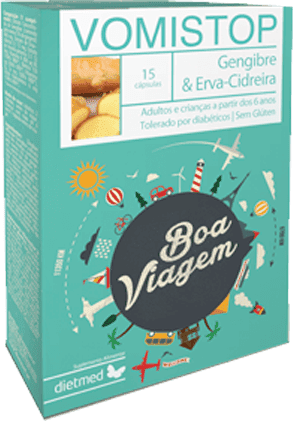
Dietmed Vomistop 15 CapsulesNutrition and Supplements Special supplements Dietmed Vomistop 15 Capsules 1 capsule: Concentrated ginger extract (containing at least 5% gingerol) 400 mg, Lemongrass extract 5: 1 12 mg, Mint extract 5: 1 12 mg, Vitamin A 800 g RE (100% NRV *), Biotin 150 g (300% NRV *), Vitamin B6 1.4 mg (100% NRV *), Pantothenic acid 6 mg (100% NRV *) * Nutrient reference value. Instructions for use: Adults: 2 capsules, before travelling. Children over 6 years old: 1 capsule before travel.5,31 £*Shipping: 3,99 £Secure redirect to the provider
-
Dietmed Venactiv 15 ml 20 AmpoulesNutrition and Supplements Natural Extracts Dietmed Venactiv 15 ml 20 Ampoules Vitamin C contributes to the normal formation of collagen for the normal functioning of the blood vessels. Vitamin C contributes to the protection of cells against undesirable oxidation and to reducing fatigue and tiredness. 1 ampoule per day, preferably after breakfast. To be diluted with at least 200 ml water. Alternatively, it can be diluted with 1.5 litres of water to be drunk during the day.23,10 £*Shipping: 4,99 £Secure redirect to the provider
-
Why do cationic surfactants have lower cleaning power?
Cationic surfactants have lower cleaning power because they are less effective at removing dirt and oil from surfaces. This is because their positively charged head groups are attracted to negatively charged particles, such as dirt and oil, making it more difficult for them to effectively lift and remove these particles from surfaces. Additionally, cationic surfactants are not as effective at reducing surface tension, which is important for breaking up and dispersing dirt and oil. As a result, cationic surfactants are not as efficient at cleaning compared to anionic or nonionic surfactants. **
-
What are anionic and cationic surfactants used for?
Anionic surfactants are used for their ability to remove dirt and oil from surfaces, making them effective in cleaning products such as laundry detergents, dishwashing liquids, and household cleaners. They have a negative charge and are good at breaking down grease and grime. Cationic surfactants, on the other hand, are used for their ability to provide conditioning and softening properties, making them common in hair conditioners, fabric softeners, and skincare products. They have a positive charge and are effective at reducing static and improving the feel of fabrics and hair. **
-
Is viscose elastic?
No, viscose is not elastic. Viscose is a type of rayon fabric made from natural fibers such as wood pulp. It is known for its soft and smooth texture, but it does not have the stretch or elasticity that is characteristic of elastic materials like spandex or elastane. Viscose can drape well and has good moisture-wicking properties, but it does not have the ability to stretch and bounce back like elastic fabrics do. **
-
What is the difference between anionic and cationic polymerization?
Anionic polymerization involves the initiation of polymerization by a negatively charged species, such as an anion, while cationic polymerization is initiated by a positively charged species, such as a cation. Anionic polymerization typically requires low temperatures and anhydrous conditions, while cationic polymerization can occur at room temperature and in the presence of moisture. Additionally, anionic polymerization tends to be more versatile in terms of monomer selection and can produce polymers with more controlled structures compared to cationic polymerization. **
Similar search terms for Dietmed-Cationic-Elastic-15
-
Dietmed Agiflex 20*15 ml AmpoulesNutrition and Supplements Collagens and Cartilage Dietmed Agiflex 20*15 ml Ampoules Vitamin C contributes to the normal formation of collagen for the normal functioning of the cartilage. HOW TO USE IT: - One ampoule per day, preferably before breakfast. It can be diluted in water or fruit juice. PRESENTATION 20 ampoules of 15 ml.37,11 £*Shipping: 3,99 £Secure redirect to the provider
-
Dietmed Artichoke Forte 20*15 ml AmpoulesNutrition and Supplements Natural Extracts Dietmed Artichoke Forte 20*15 ml Ampoules Food Supplement with hepatic protective and regenerating action, purifying, antioxidant, benefits digestion by promoting bile secretion. Use 1 ampoule a day, preferably before breakfast. It can be diluted in water or fruit juice.15,45 £*Shipping: 3,99 £Secure redirect to the provider
-
Dietmed Venactiv 250mlNutrition and Supplements Natural Extracts Dietmed Venactiv 250ml Horse chestnut and centella asiatica, frequently used to improve blood circulation, favoring its elasticity and flexibility, helping in cases of tired, heavy legs, discomfort, swelling, cramps and itching. Use 1 spoon (20 ml) a day, preferably after breakfast. It must be diluted in 200 ml of water. Alternatively, it can be diluted in 1 liter and a half of water. Drink the preparation during the day.14,87 £*Shipping: 3,99 £Secure redirect to the provider
-
Can you finish an inelastic cotton fabric with an elastic jersey bias binding?
Yes, it is possible to finish an inelastic cotton fabric with an elastic jersey bias binding. The elastic jersey bias binding will provide stretch and flexibility to the edges of the fabric, allowing for a comfortable and secure fit. This combination can be a great way to add a pop of color or texture to a garment while also ensuring a comfortable and flexible finish. Just make sure to sew the binding carefully to ensure a clean and professional look. **
-
Can you finish an inelastic cotton fabric with an elastic jersey bias tape?
Yes, it is possible to finish an inelastic cotton fabric with an elastic jersey bias tape. The elastic jersey bias tape will provide stretch and flexibility to the edges of the fabric, allowing for a comfortable and secure finish. However, it is important to consider the weight and thickness of the fabric and bias tape to ensure that they work well together and do not create bulkiness or distortion in the finished garment. Testing the combination on a small sample piece before applying it to the entire project is recommended to ensure the desired result. **
-
How do I sew the elastic band onto my pointe shoes?
To sew the elastic band onto your pointe shoes, start by measuring the length of elastic needed to comfortably fit around your ankle. Then, pin the elastic in place on the inside of the heel of the shoe, making sure it is snug but not too tight. Use a strong, durable thread and a needle to sew the elastic in place, making several passes to ensure it is secure. Finally, trim any excess elastic and thread, and repeat the process for the other shoe. **
-
Why are elastomers actually elastic?
Elastomers are actually elastic because of their unique molecular structure. They are made up of long, coiled polymer chains that can be stretched and then return to their original shape when the force is removed. This is due to the entropic elasticity of the polymer chains, which allows them to easily slide past each other and then spring back into place. Additionally, the presence of cross-links between the polymer chains provides additional strength and resilience, allowing elastomers to maintain their elasticity over many cycles of stretching and relaxing. **
* All prices are inclusive of VAT and, if applicable, plus shipping costs. The offer information is based on the details provided by the respective shop and is updated through automated processes. Real-time updates do not occur, so deviations can occur in individual cases. ** Note: Parts of this content were created by AI.