Buy tduq.com ?
We are moving the project
tduq.com .
Are you interested in purchasing the domain
tduq.com ?
domain@kv-gmbh.de · 0541-91531010
Buy tduq.com ?
What is the difference between patchwork and quilting?
Patchwork and quilting are related but distinct crafts. Patchwork involves sewing together small pieces of fabric to create a larger design or pattern, often using a variety of colors and prints. Quilting, on the other hand, refers to the process of layering the patchwork top with batting and a backing fabric, and then stitching through all the layers to create a finished quilt. In essence, patchwork is the design and piecing of the fabric, while quilting is the process of finishing the quilt with batting and stitching. **
Isn't patchwork and quilting somehow the same thing?
Patchwork and quilting are related but not the same thing. Patchwork refers to the technique of sewing together small pieces of fabric to create a larger design, while quilting refers to the process of stitching together the layers of a quilt to create a finished piece. Quilting often incorporates patchwork designs, but it can also include other techniques such as appliqué and embroidery. In summary, patchwork is a specific technique within quilting, but quilting encompasses a broader range of techniques and processes. **
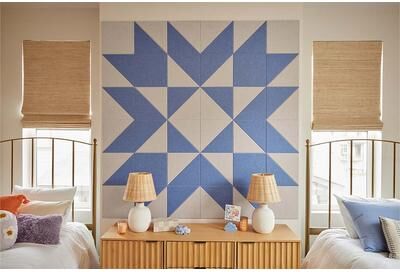

Similar search terms for Felt-Right-Quilting-Star
Top-Angebote
Products related to Felt-Right-Quilting-Star:
-
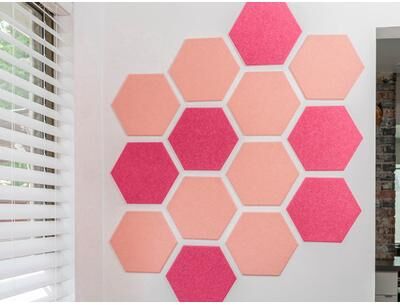
Felt Right Mirage Sound Dampening Pinnable TilesThis striking mirage isn't just an optical illusion; it's a vibrant addition that will invigorate any room. It enhances both the visual appeal and the acoustic quality of your space. Enjoy this preconfigured design in Atlantic or customize it to fit...239,52 $*Shipping: 0,00 $Secure redirect to the provider
-
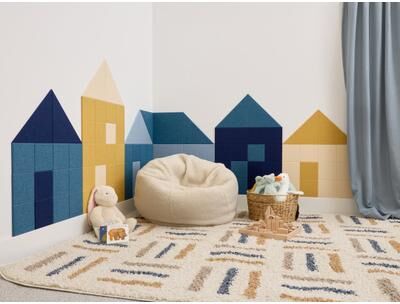
Felt Right Baltic Sound Dampening Pinnable TilesIf your walls look empty this Baltic design will brighten up any room. Bringing life and character to any space. Enjoy this preconfigured design in Atlantic, Oxford, Palm, and Sage or customize it to fit your space and color palette by clicking...175,56 $*Shipping: 0,00 $Secure redirect to the provider


-
How can you wash felt shoes?
To wash felt shoes, start by removing any excess dirt or debris with a soft brush or cloth. Then, fill a basin with lukewarm water and a small amount of mild detergent. Gently hand wash the shoes in the soapy water, being careful not to agitate or wring them. Rinse the shoes thoroughly with clean water and gently press out any excess water. Finally, reshape the shoes and let them air dry away from direct heat or sunlight. **
-
How can you make felt shoes yourself?
To make felt shoes yourself, you will need the following materials and tools: 1. Felt fabric 2. Shoe pattern or template 3. Scissors 4. Needle and thread 5. Sewing machine (optional) 6. Fabric glue 7. Sole material (rubber, leather, or non-slip fabric) 8. Shoe laces or elastic cord (for closure) Here are the general steps to make felt shoes: 1. Trace and cut out the shoe pattern or template on the felt fabric. You will need two pieces for each shoe (one for the outer layer and one for the lining). 2. Sew the two pieces together along the edges, leaving the top open for the foot to slide in. 3. Attach the sole material to the bottom of the shoe using fabric glue or by sewing it on. 4. Add any additional embellishments or decorations to the shoes, such as buttons, beads, or embroidery. 5. Finally, add the closure mechanism (shoe laces or elastic cord) to secure the shoes on your feet. Once you have completed these steps, you will have a pair of handmade felt shoes that you can wear and enjoy! **
-
How can one make felt shoes themselves?
To make felt shoes yourself, you will need the following materials and tools: 1. Wool roving or wool felt 2. Hot water 3. Soap 4. Bubble wrap or a felting mat 5. Towel 6. Shoe last or foot mold 7. Sharp scissors 8. Needle and thread Here are the general steps to make felt shoes: 1. Lay out a layer of wool roving or wool felt on a flat surface, such as bubble wrap or a felting mat. 2. Wet the wool with hot, soapy water and gently massage it to help the fibers bind together. 3. Continue adding layers of wool and wetting them until you reach the desired thickness for your shoes. 4. Place a towel over the wool and roll it up tightly, then roll the bundle back and forth to help the fibers felt together. 5. Unroll the bundle and shape it around a shoe last or foot mold to create the shape of the shoes. 6. Allow the felt to dry completely before removing it from the shoe last or foot mold. 7. Trim any excess felt and sew the edges together to form the shoes. 8. You can also add embellishments or decorations to your felt shoes, such as buttons or embroidery. By following these steps, you can create your own custom-made felt shoes that are unique and personalized to your style and preferences. **
-
Which fourth star does the three-star Germany jersey receive?
The fourth star on the three-star Germany jersey represents the team's victory in the 2014 FIFA World Cup. Germany won the tournament held in Brazil, defeating Argentina 1-0 in the final to secure their fourth World Cup title. The fourth star is a symbol of their success in that particular tournament and is proudly displayed on the jersey alongside the three stars representing their previous World Cup victories. **

Should I wet felt or dry felt?
The decision to wet felt or dry felt depends on the specific project and the desired outcome. Wet felting involves using water, soap, and agitation to bind the fibers together, resulting in a smooth and dense fabric. It is ideal for creating flat pieces, such as scarves or wall hangings. Dry felting, on the other hand, uses needles to interlock the fibers, allowing for more intricate designs and three-dimensional shapes. It is better suited for creating sculptures, jewelry, or embellishments. Consider the type of project you want to create and the level of detail and texture you want to achieve when deciding whether to wet felt or dry felt. **
What do you do with the basting threads when hand quilting?
When hand quilting, the basting threads are removed once the quilting is complete. These temporary threads are used to hold the layers of the quilt together while the quilting stitches are being added. Once the quilting is finished, the basting threads are carefully snipped and removed from the quilt. This allows the quilt to be finished and the layers to be securely held together by the quilting stitches. **
Top-Angebote
Products related to Felt-Right-Quilting-Star:
-
Felt Right Quilting Star Sound Dampening Pinnable TilesMeet your new favorite design wall. Inspired by an iconic quilting block, Felt Right’s Quilting Star design wall is a beautiful way to lay out your patterns and keep your fabric off the ground. Enjoy this preconfigured design in Fog and Periwinkle...287,36 $*Shipping: 0,00 $Secure redirect to the provider
-
Felt Right Small Quilting Star Sound Dampening Pinnable TilesMeet your new favorite design wall. Inspired by an iconic quilting block, Felt Right’s Quilting Star design wall is a beautiful way to lay out your patterns and keep your fabric off the ground. Enjoy this preconfigured design or customize it to fit...73,76 $*Shipping: 0,00 $Secure redirect to the provider
-
What is the difference between patchwork and quilting?
Patchwork and quilting are related but distinct crafts. Patchwork involves sewing together small pieces of fabric to create a larger design or pattern, often using a variety of colors and prints. Quilting, on the other hand, refers to the process of layering the patchwork top with batting and a backing fabric, and then stitching through all the layers to create a finished quilt. In essence, patchwork is the design and piecing of the fabric, while quilting is the process of finishing the quilt with batting and stitching. **
-
Isn't patchwork and quilting somehow the same thing?
Patchwork and quilting are related but not the same thing. Patchwork refers to the technique of sewing together small pieces of fabric to create a larger design, while quilting refers to the process of stitching together the layers of a quilt to create a finished piece. Quilting often incorporates patchwork designs, but it can also include other techniques such as appliqué and embroidery. In summary, patchwork is a specific technique within quilting, but quilting encompasses a broader range of techniques and processes. **
-
How can you wash felt shoes?
To wash felt shoes, start by removing any excess dirt or debris with a soft brush or cloth. Then, fill a basin with lukewarm water and a small amount of mild detergent. Gently hand wash the shoes in the soapy water, being careful not to agitate or wring them. Rinse the shoes thoroughly with clean water and gently press out any excess water. Finally, reshape the shoes and let them air dry away from direct heat or sunlight. **
-
How can you make felt shoes yourself?
To make felt shoes yourself, you will need the following materials and tools: 1. Felt fabric 2. Shoe pattern or template 3. Scissors 4. Needle and thread 5. Sewing machine (optional) 6. Fabric glue 7. Sole material (rubber, leather, or non-slip fabric) 8. Shoe laces or elastic cord (for closure) Here are the general steps to make felt shoes: 1. Trace and cut out the shoe pattern or template on the felt fabric. You will need two pieces for each shoe (one for the outer layer and one for the lining). 2. Sew the two pieces together along the edges, leaving the top open for the foot to slide in. 3. Attach the sole material to the bottom of the shoe using fabric glue or by sewing it on. 4. Add any additional embellishments or decorations to the shoes, such as buttons, beads, or embroidery. 5. Finally, add the closure mechanism (shoe laces or elastic cord) to secure the shoes on your feet. Once you have completed these steps, you will have a pair of handmade felt shoes that you can wear and enjoy! **
Similar search terms for Felt-Right-Quilting-Star
-
Felt Right Mirage Sound Dampening Pinnable TilesThis striking mirage isn't just an optical illusion; it's a vibrant addition that will invigorate any room. It enhances both the visual appeal and the acoustic quality of your space. Enjoy this preconfigured design in Atlantic or customize it to fit...239,52 $*Shipping: 0,00 $Secure redirect to the provider
-
Felt Right Baltic Sound Dampening Pinnable TilesIf your walls look empty this Baltic design will brighten up any room. Bringing life and character to any space. Enjoy this preconfigured design in Atlantic, Oxford, Palm, and Sage or customize it to fit your space and color palette by clicking...175,56 $*Shipping: 0,00 $Secure redirect to the provider
-
How can one make felt shoes themselves?
To make felt shoes yourself, you will need the following materials and tools: 1. Wool roving or wool felt 2. Hot water 3. Soap 4. Bubble wrap or a felting mat 5. Towel 6. Shoe last or foot mold 7. Sharp scissors 8. Needle and thread Here are the general steps to make felt shoes: 1. Lay out a layer of wool roving or wool felt on a flat surface, such as bubble wrap or a felting mat. 2. Wet the wool with hot, soapy water and gently massage it to help the fibers bind together. 3. Continue adding layers of wool and wetting them until you reach the desired thickness for your shoes. 4. Place a towel over the wool and roll it up tightly, then roll the bundle back and forth to help the fibers felt together. 5. Unroll the bundle and shape it around a shoe last or foot mold to create the shape of the shoes. 6. Allow the felt to dry completely before removing it from the shoe last or foot mold. 7. Trim any excess felt and sew the edges together to form the shoes. 8. You can also add embellishments or decorations to your felt shoes, such as buttons or embroidery. By following these steps, you can create your own custom-made felt shoes that are unique and personalized to your style and preferences. **
-
Which fourth star does the three-star Germany jersey receive?
The fourth star on the three-star Germany jersey represents the team's victory in the 2014 FIFA World Cup. Germany won the tournament held in Brazil, defeating Argentina 1-0 in the final to secure their fourth World Cup title. The fourth star is a symbol of their success in that particular tournament and is proudly displayed on the jersey alongside the three stars representing their previous World Cup victories. **
-
Should I wet felt or dry felt?
The decision to wet felt or dry felt depends on the specific project and the desired outcome. Wet felting involves using water, soap, and agitation to bind the fibers together, resulting in a smooth and dense fabric. It is ideal for creating flat pieces, such as scarves or wall hangings. Dry felting, on the other hand, uses needles to interlock the fibers, allowing for more intricate designs and three-dimensional shapes. It is better suited for creating sculptures, jewelry, or embellishments. Consider the type of project you want to create and the level of detail and texture you want to achieve when deciding whether to wet felt or dry felt. **
-
What do you do with the basting threads when hand quilting?
When hand quilting, the basting threads are removed once the quilting is complete. These temporary threads are used to hold the layers of the quilt together while the quilting stitches are being added. Once the quilting is finished, the basting threads are carefully snipped and removed from the quilt. This allows the quilt to be finished and the layers to be securely held together by the quilting stitches. **
* All prices are inclusive of VAT and, if applicable, plus shipping costs. The offer information is based on the details provided by the respective shop and is updated through automated processes. Real-time updates do not occur, so deviations can occur in individual cases. ** Note: Parts of this content were created by AI.