Buy tduq.com ?
We are moving the project
tduq.com .
Are you interested in purchasing the domain
tduq.com ?
domain@kv-gmbh.de · 0541-91531010
Buy tduq.com ?
What is academic horsemanship?
Academic horsemanship refers to the study and practice of horsemanship within an academic setting, such as a university or college. It involves learning about various aspects of horse care, training, and management through a structured curriculum. Academic horsemanship programs often combine classroom instruction with hands-on experience in order to provide students with a comprehensive understanding of equine science and management. This approach helps students develop the knowledge and skills necessary to work in the equine industry or pursue further education in the field. **
Who invented Natural Horsemanship?
Natural Horsemanship is not attributed to a single inventor, but rather a philosophy and approach to horse training that has evolved over time. However, some of the most well-known figures associated with the development of Natural Horsemanship include Tom and Bill Dorrance, Ray Hunt, and Buck Brannaman. These individuals have all played a significant role in popularizing the principles of Natural Horsemanship, which emphasize understanding and working with the horse's natural instincts and behaviors. **

Similar search terms for Horsemanship
Top-Angebote
Products related to Horsemanship:
-
Inspire Select Squeaky Duck Bike Horn With Shark Helmet & Propeller Cute Rubber Duck Bicycle Handlebar Decoration 14Add fun, personality, and playful charm to every ride with this adorable squeaky duck bike horn designed to entertain both kids and adults alike. Featuring a cute rubber duck wearing a shark helmet with a spinning propeller, this unique accessory...70,95 $*Shipping: 0,00 $Secure redirect to the provider
-
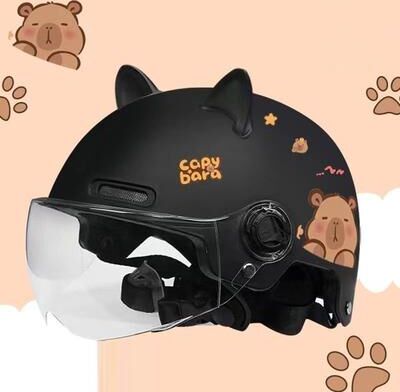
Multisell Products Hub Breathable Sunscreen Motorcycle Half Helmet, Capybara Sticker Electric Bicycle Helmet With Cat Ears black LensesProtective and Stylish Design The Capybara Sticker Electric Bicycle Helmet offers not only safety but a fun, stylish design for every cyclist. Featuring cat ears, this half helmet makes a statement while ensuring you stay protected. Its unique,...49,97 $*Shipping: 0,00 $Secure redirect to the provider
-
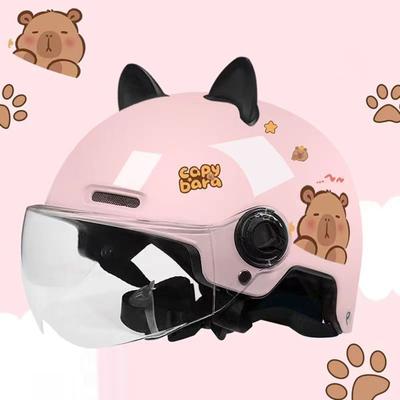
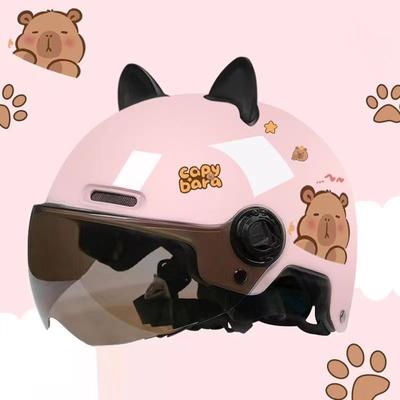
Multisell Products Hub Breathable Sunscreen Motorcycle Half Helmet, Capybara Sticker Electric Bicycle Helmet With Cat Ears pink grey LensesProtective and Stylish Design The Capybara Sticker Electric Bicycle Helmet offers not only safety but a fun, stylish design for every cyclist. Featuring cat ears, this half helmet makes a statement while ensuring you stay protected. Its unique,...49,97 $*Shipping: 0,00 $Secure redirect to the provider
-
Multisell Products Hub Breathable Sunscreen Motorcycle Half Helmet, Capybara Sticker Electric Bicycle Helmet With Cat Ears black grey LensesProtective and Stylish Design The Capybara Sticker Electric Bicycle Helmet offers not only safety but a fun, stylish design for every cyclist. Featuring cat ears, this half helmet makes a statement while ensuring you stay protected. Its unique,...49,97 $*Shipping: 0,00 $Secure redirect to the provider


-
What is a horsemanship course?
A horsemanship course is a program or class that teaches individuals how to care for, handle, and ride horses. These courses typically cover topics such as grooming, feeding, saddling, and basic riding techniques. Horsemanship courses can be tailored to different skill levels, from beginners who have never been around horses before to more experienced riders looking to improve their skills. Overall, these courses aim to educate individuals on all aspects of horse care and handling to ensure a safe and enjoyable experience for both the rider and the horse. **
-
What is the training in Natural Horsemanship?
Natural Horsemanship training is a method of working with horses that emphasizes understanding their natural behaviors and communication methods. It focuses on building a strong bond and mutual trust between the horse and the trainer, using techniques such as body language, voice commands, and positive reinforcement. Training in Natural Horsemanship also involves understanding the horse's instincts and herd dynamics, and using this knowledge to develop a respectful and cooperative relationship with the horse. This approach aims to create a willing and responsive horse that is a pleasure to work with and ride. **
-
How long should the horsemanship lead rope be?
The horsemanship lead rope should typically be around 10-12 feet long. This length allows for enough slack to give the horse freedom of movement while still maintaining control. A longer lead rope can be cumbersome and may get tangled, while a shorter lead rope may restrict the horse's movement and communication with the handler. Ultimately, the ideal length will depend on the specific situation and the handler's preferences. **
-
How do the aids work in academic classical horsemanship?
In academic classical horsemanship, aids are used to communicate with the horse effectively and subtly. The aids include the rider's seat, legs, hands, and voice. By using these aids correctly, the rider can convey their intentions to the horse with precision and clarity. Through consistent and correct application of the aids, the horse learns to respond to subtle cues, resulting in a harmonious partnership between horse and rider. **


Do you need to have a horse to learn horsemanship and riding?
No, you do not need to own a horse to learn horsemanship and riding. Many equestrian centers and stables offer lessons and programs where you can learn how to ride and care for horses without owning one. These facilities typically provide lesson horses for students to use. Additionally, there are opportunities to volunteer at rescue organizations or farms to gain experience with horses. **
What is free lunging in horsemanship and what happens if the horse runs away?
Free lunging in horsemanship is a training technique where a horse is allowed to move freely in an enclosed area without being attached to a lead rope or lunge line. This allows the horse to move more naturally and express themselves without the restriction of being tied to a human handler. If the horse runs away during free lunging, it is important for the handler to stay calm and not chase after the horse. Instead, the handler should try to regain the horse's attention by using body language, voice commands, or other training techniques to redirect the horse back towards them. It is crucial to ensure the safety of both the horse and the handler during free lunging sessions. **
Top-Angebote
Products related to Horsemanship:
-
Multisell Products Hub Breathable Sunscreen Motorcycle Half Helmet, Capybara Sticker Electric Bicycle Helmet With Cat Ears pink LensesProtective and Stylish Design The Capybara Sticker Electric Bicycle Helmet offers not only safety but a fun, stylish design for every cyclist. Featuring cat ears, this half helmet makes a statement while ensuring you stay protected. Its unique,...49,97 $*Shipping: 0,00 $Secure redirect to the provider
-
Inspired Finds Cute Squeaky Duck Bike Horn With Propeller Helmet Car & Bicycle Decor tactical Rider DuckMake every ride more playful with this adorable duck bike horn designed to bring smiles wherever you go. Featuring a fun squeaky sound, spinning propeller helmet, and charming cartoon style, this little duck instantly adds personality to bicycles,...36,99 $*Shipping: 0,00 $Secure redirect to the provider
-
Inspire Select Squeaky Duck Bike Horn With Shark Helmet & Propeller Cute Rubber Duck Bicycle Handlebar Decoration 14Add fun, personality, and playful charm to every ride with this adorable squeaky duck bike horn designed to entertain both kids and adults alike. Featuring a cute rubber duck wearing a shark helmet with a spinning propeller, this unique accessory...70,95 $*Shipping: 0,00 $Secure redirect to the provider
-
Multisell Products Hub Breathable Sunscreen Motorcycle Half Helmet, Capybara Sticker Electric Bicycle Helmet With Cat Ears black LensesProtective and Stylish Design The Capybara Sticker Electric Bicycle Helmet offers not only safety but a fun, stylish design for every cyclist. Featuring cat ears, this half helmet makes a statement while ensuring you stay protected. Its unique,...49,97 $*Shipping: 0,00 $Secure redirect to the provider
-
What is academic horsemanship?
Academic horsemanship refers to the study and practice of horsemanship within an academic setting, such as a university or college. It involves learning about various aspects of horse care, training, and management through a structured curriculum. Academic horsemanship programs often combine classroom instruction with hands-on experience in order to provide students with a comprehensive understanding of equine science and management. This approach helps students develop the knowledge and skills necessary to work in the equine industry or pursue further education in the field. **
-
Who invented Natural Horsemanship?
Natural Horsemanship is not attributed to a single inventor, but rather a philosophy and approach to horse training that has evolved over time. However, some of the most well-known figures associated with the development of Natural Horsemanship include Tom and Bill Dorrance, Ray Hunt, and Buck Brannaman. These individuals have all played a significant role in popularizing the principles of Natural Horsemanship, which emphasize understanding and working with the horse's natural instincts and behaviors. **
-
What is a horsemanship course?
A horsemanship course is a program or class that teaches individuals how to care for, handle, and ride horses. These courses typically cover topics such as grooming, feeding, saddling, and basic riding techniques. Horsemanship courses can be tailored to different skill levels, from beginners who have never been around horses before to more experienced riders looking to improve their skills. Overall, these courses aim to educate individuals on all aspects of horse care and handling to ensure a safe and enjoyable experience for both the rider and the horse. **
-
What is the training in Natural Horsemanship?
Natural Horsemanship training is a method of working with horses that emphasizes understanding their natural behaviors and communication methods. It focuses on building a strong bond and mutual trust between the horse and the trainer, using techniques such as body language, voice commands, and positive reinforcement. Training in Natural Horsemanship also involves understanding the horse's instincts and herd dynamics, and using this knowledge to develop a respectful and cooperative relationship with the horse. This approach aims to create a willing and responsive horse that is a pleasure to work with and ride. **
Similar search terms for Horsemanship
-
Multisell Products Hub Breathable Sunscreen Motorcycle Half Helmet, Capybara Sticker Electric Bicycle Helmet With Cat Ears pink grey LensesProtective and Stylish Design The Capybara Sticker Electric Bicycle Helmet offers not only safety but a fun, stylish design for every cyclist. Featuring cat ears, this half helmet makes a statement while ensuring you stay protected. Its unique,...49,97 $*Shipping: 0,00 $Secure redirect to the provider
-
Multisell Products Hub Breathable Sunscreen Motorcycle Half Helmet, Capybara Sticker Electric Bicycle Helmet With Cat Ears black grey LensesProtective and Stylish Design The Capybara Sticker Electric Bicycle Helmet offers not only safety but a fun, stylish design for every cyclist. Featuring cat ears, this half helmet makes a statement while ensuring you stay protected. Its unique,...49,97 $*Shipping: 0,00 $Secure redirect to the provider
-
Inspired Finds Cute Squeaky Duck Bike Horn With Propeller Helmet Car & Bicycle Decor bunny Rider DuckMake every ride more playful with this adorable duck bike horn designed to bring smiles wherever you go. Featuring a fun squeaky sound, spinning propeller helmet, and charming cartoon style, this little duck instantly adds personality to bicycles,...36,99 $*Shipping: 0,00 $Secure redirect to the provider
-
Inspired Finds Cute Squeaky Duck Bike Horn With Propeller Helmet Car & Bicycle Decor eight Ball DuckMake every ride more playful with this adorable duck bike horn designed to bring smiles wherever you go. Featuring a fun squeaky sound, spinning propeller helmet, and charming cartoon style, this little duck instantly adds personality to bicycles,...36,99 $*Shipping: 0,00 $Secure redirect to the provider
-
How long should the horsemanship lead rope be?
The horsemanship lead rope should typically be around 10-12 feet long. This length allows for enough slack to give the horse freedom of movement while still maintaining control. A longer lead rope can be cumbersome and may get tangled, while a shorter lead rope may restrict the horse's movement and communication with the handler. Ultimately, the ideal length will depend on the specific situation and the handler's preferences. **
-
How do the aids work in academic classical horsemanship?
In academic classical horsemanship, aids are used to communicate with the horse effectively and subtly. The aids include the rider's seat, legs, hands, and voice. By using these aids correctly, the rider can convey their intentions to the horse with precision and clarity. Through consistent and correct application of the aids, the horse learns to respond to subtle cues, resulting in a harmonious partnership between horse and rider. **
-
Do you need to have a horse to learn horsemanship and riding?
No, you do not need to own a horse to learn horsemanship and riding. Many equestrian centers and stables offer lessons and programs where you can learn how to ride and care for horses without owning one. These facilities typically provide lesson horses for students to use. Additionally, there are opportunities to volunteer at rescue organizations or farms to gain experience with horses. **
-
What is free lunging in horsemanship and what happens if the horse runs away?
Free lunging in horsemanship is a training technique where a horse is allowed to move freely in an enclosed area without being attached to a lead rope or lunge line. This allows the horse to move more naturally and express themselves without the restriction of being tied to a human handler. If the horse runs away during free lunging, it is important for the handler to stay calm and not chase after the horse. Instead, the handler should try to regain the horse's attention by using body language, voice commands, or other training techniques to redirect the horse back towards them. It is crucial to ensure the safety of both the horse and the handler during free lunging sessions. **
* All prices are inclusive of VAT and, if applicable, plus shipping costs. The offer information is based on the details provided by the respective shop and is updated through automated processes. Real-time updates do not occur, so deviations can occur in individual cases. ** Note: Parts of this content were created by AI.