Buy tduq.com ?
We are moving the project
tduq.com .
Are you interested in purchasing the domain
tduq.com ?
domain@kv-gmbh.de · 0541-91531010
Buy tduq.com ?
How does a photodiode work?
A photodiode is a semiconductor device that converts light into an electrical current. When light strikes the photodiode, it generates electron-hole pairs in the semiconductor material. These pairs create a flow of current, which can be measured as a voltage output. The amount of current produced is directly proportional to the intensity of the light hitting the photodiode. This makes photodiodes useful for applications such as light detection, solar cells, and optical communications. **
How is a photodiode connected?
A photodiode is typically connected in reverse bias configuration, meaning the anode is connected to the negative terminal of the power supply and the cathode is connected to the positive terminal. This allows the photodiode to operate in the photoconductive mode, where it generates a current in response to light exposure. Additionally, a resistor is often connected in series with the photodiode to limit the current and prevent damage to the diode. Finally, the output of the photodiode can be connected to a load or measurement circuit to utilize the generated current. **


Similar search terms for Photodiode
Top-Angebote
Products related to Photodiode:
-
Inspire Select Squeaky Duck Bike Horn With Shark Helmet & Propeller Cute Rubber Duck Bicycle Handlebar Decoration 2Add fun, personality, and playful charm to every ride with this adorable squeaky duck bike horn designed to entertain both kids and adults alike. Featuring a cute rubber duck wearing a shark helmet with a spinning propeller, this unique accessory...70,95 $*Shipping: 0,00 $Secure redirect to the provider
-
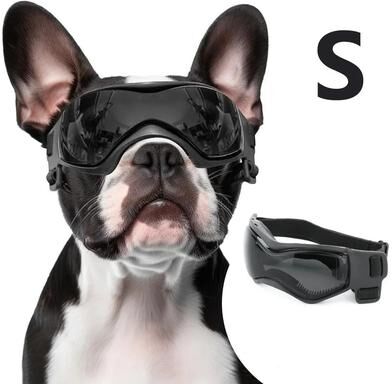
Uplift Treasures Adjustable UV Protection Dog Sunglasses Adjustable UV Protection Dog SunglassesProduct Description: Protect your pets eyes in style with these adjustable dog sunglasses designed for small and medium breeds. Featuring UV protection, a soft comfortable frame, and windproof design, these pet goggles are perfect for outdoor walks,...75,97 $*Shipping: 0,00 $Secure redirect to the provider
-
Multisell Products Hub Breathable Sunscreen Motorcycle Half Helmet, Capybara Sticker Electric Bicycle Helmet With Cat Ears black LensesProtective and Stylish Design The Capybara Sticker Electric Bicycle Helmet offers not only safety but a fun, stylish design for every cyclist. Featuring cat ears, this half helmet makes a statement while ensuring you stay protected. Its unique,...49,97 $*Shipping: 0,00 $Secure redirect to the provider
-
Multisell Products Hub Breathable Sunscreen Motorcycle Half Helmet, Capybara Sticker Electric Bicycle Helmet With Cat Ears pink grey LensesProtective and Stylish Design The Capybara Sticker Electric Bicycle Helmet offers not only safety but a fun, stylish design for every cyclist. Featuring cat ears, this half helmet makes a statement while ensuring you stay protected. Its unique,...49,97 $*Shipping: 0,00 $Secure redirect to the provider



-
What components does a photodiode need in electrical engineering?
In electrical engineering, a photodiode requires several components to function effectively. These include a semiconductor material, such as silicon, which is sensitive to light and capable of generating an electric current when exposed to photons. Additionally, a photodiode needs a p-n junction to create a depletion region, which allows for the separation of electron-hole pairs when light is absorbed. Furthermore, a photodiode typically requires a reverse bias voltage to create the necessary electric field for efficient operation. Finally, a photodiode may also need a protective housing to shield it from external factors such as temperature, humidity, and mechanical stress. **
-
What is the difference between a diode and a photodiode?
A diode is a two-terminal electronic component that allows current to flow in one direction only. It is commonly used in electronic circuits to control the direction of current flow. On the other hand, a photodiode is a type of diode that is designed to convert light into electrical current. Photodiodes are used in various applications such as light sensors, solar cells, and optical communications. The key difference between a diode and a photodiode is that a photodiode is specifically designed to detect and convert light into electrical current, whereas a diode is a more general electronic component used for controlling current flow. **
-
What is the difference between a photoelement and a photodiode?
A photoelement is a general term used to describe any device that converts light into an electrical signal, including photodiodes. A photodiode is a specific type of photoelement that operates in reverse bias, meaning it only allows current to flow when light is present. Photodiodes are commonly used in applications such as light detection, solar cells, and optical communication systems. In contrast, a photoelement can refer to a broader range of light-sensitive devices, including phototransistors, photoresistors, and photovoltaic cells. **
-
What are the different characteristics between a photodiode and a photoresistor?
Photodiodes are semiconductor devices that generate a current when exposed to light, offering a fast response time and high sensitivity to light intensity changes. They are more expensive and complex to use compared to photoresistors. Photoresistors, on the other hand, are passive components that change resistance based on the amount of light they are exposed to, providing a simple and cost-effective solution for light detection. They have a slower response time and are less sensitive to light compared to photodiodes. **


How can the light sensor (photodiode) be read out analog-digital?
The light sensor (photodiode) can be read out analog-digital by using an analog-to-digital converter (ADC). The photodiode generates a current or voltage signal in response to the incident light, which is then converted into a digital value by the ADC. The ADC samples the analog signal at regular intervals and quantizes it into discrete digital values, which can then be processed and analyzed by a microcontroller or computer. This digital output can be used to measure the intensity of the light and make decisions or trigger actions based on the light level. **
What is the difference between a photodiode, a phototransistor, and a photoresistor?
A photodiode is a semiconductor device that converts light into an electrical current. It operates in reverse bias mode and has a fast response time. A phototransistor is a type of transistor that is sensitive to light and amplifies the current flowing through it when exposed to light. It operates in active mode and is more sensitive than a photodiode. A photoresistor, on the other hand, is a passive component whose resistance changes in response to light intensity. It does not amplify the current like a phototransistor and is commonly used in light sensing applications. **
Top-Angebote
Products related to Photodiode:
-
Multisell Products Hub Breathable Sunscreen Motorcycle Half Helmet, Capybara Sticker Electric Bicycle Helmet With Cat Ears pink LensesProtective and Stylish Design The Capybara Sticker Electric Bicycle Helmet offers not only safety but a fun, stylish design for every cyclist. Featuring cat ears, this half helmet makes a statement while ensuring you stay protected. Its unique,...49,97 $*Shipping: 0,00 $Secure redirect to the provider
-
Inspired Living 27 Piece Helmet Padding Kit Universal Motorcycle & Bicycle Comfort Foam Replacement Set blackRiding should feel smooth, secure, and comfortablenot tight or irritating. This allinone helmet padding kit restores the snug, cushioned fit your helmet once had, making every ride more enjoyable. Designed for riders who value comfort and safety, it...23,97 $*Shipping: 0,00 $Secure redirect to the provider
-
Inspire Select Squeaky Duck Bike Horn With Shark Helmet & Propeller Cute Rubber Duck Bicycle Handlebar Decoration 2Add fun, personality, and playful charm to every ride with this adorable squeaky duck bike horn designed to entertain both kids and adults alike. Featuring a cute rubber duck wearing a shark helmet with a spinning propeller, this unique accessory...70,95 $*Shipping: 0,00 $Secure redirect to the provider
-
Uplift Treasures Adjustable UV Protection Dog Sunglasses Adjustable UV Protection Dog SunglassesProduct Description: Protect your pets eyes in style with these adjustable dog sunglasses designed for small and medium breeds. Featuring UV protection, a soft comfortable frame, and windproof design, these pet goggles are perfect for outdoor walks,...75,97 $*Shipping: 0,00 $Secure redirect to the provider
-
How does a photodiode work?
A photodiode is a semiconductor device that converts light into an electrical current. When light strikes the photodiode, it generates electron-hole pairs in the semiconductor material. These pairs create a flow of current, which can be measured as a voltage output. The amount of current produced is directly proportional to the intensity of the light hitting the photodiode. This makes photodiodes useful for applications such as light detection, solar cells, and optical communications. **
-
How is a photodiode connected?
A photodiode is typically connected in reverse bias configuration, meaning the anode is connected to the negative terminal of the power supply and the cathode is connected to the positive terminal. This allows the photodiode to operate in the photoconductive mode, where it generates a current in response to light exposure. Additionally, a resistor is often connected in series with the photodiode to limit the current and prevent damage to the diode. Finally, the output of the photodiode can be connected to a load or measurement circuit to utilize the generated current. **
-
What components does a photodiode need in electrical engineering?
In electrical engineering, a photodiode requires several components to function effectively. These include a semiconductor material, such as silicon, which is sensitive to light and capable of generating an electric current when exposed to photons. Additionally, a photodiode needs a p-n junction to create a depletion region, which allows for the separation of electron-hole pairs when light is absorbed. Furthermore, a photodiode typically requires a reverse bias voltage to create the necessary electric field for efficient operation. Finally, a photodiode may also need a protective housing to shield it from external factors such as temperature, humidity, and mechanical stress. **
-
What is the difference between a diode and a photodiode?
A diode is a two-terminal electronic component that allows current to flow in one direction only. It is commonly used in electronic circuits to control the direction of current flow. On the other hand, a photodiode is a type of diode that is designed to convert light into electrical current. Photodiodes are used in various applications such as light sensors, solar cells, and optical communications. The key difference between a diode and a photodiode is that a photodiode is specifically designed to detect and convert light into electrical current, whereas a diode is a more general electronic component used for controlling current flow. **
Similar search terms for Photodiode
-
Multisell Products Hub Breathable Sunscreen Motorcycle Half Helmet, Capybara Sticker Electric Bicycle Helmet With Cat Ears black LensesProtective and Stylish Design The Capybara Sticker Electric Bicycle Helmet offers not only safety but a fun, stylish design for every cyclist. Featuring cat ears, this half helmet makes a statement while ensuring you stay protected. Its unique,...49,97 $*Shipping: 0,00 $Secure redirect to the provider
-
Multisell Products Hub Breathable Sunscreen Motorcycle Half Helmet, Capybara Sticker Electric Bicycle Helmet With Cat Ears pink grey LensesProtective and Stylish Design The Capybara Sticker Electric Bicycle Helmet offers not only safety but a fun, stylish design for every cyclist. Featuring cat ears, this half helmet makes a statement while ensuring you stay protected. Its unique,...49,97 $*Shipping: 0,00 $Secure redirect to the provider
-
Multisell Products Hub Breathable Sunscreen Motorcycle Half Helmet, Capybara Sticker Electric Bicycle Helmet With Cat Ears black grey LensesProtective and Stylish Design The Capybara Sticker Electric Bicycle Helmet offers not only safety but a fun, stylish design for every cyclist. Featuring cat ears, this half helmet makes a statement while ensuring you stay protected. Its unique,...49,97 $*Shipping: 0,00 $Secure redirect to the provider
-
Inspire Select Squeaky Duck Bike Horn With Shark Helmet & Propeller Cute Rubber Duck Bicycle Handlebar Decoration 13Add fun, personality, and playful charm to every ride with this adorable squeaky duck bike horn designed to entertain both kids and adults alike. Featuring a cute rubber duck wearing a shark helmet with a spinning propeller, this unique accessory...70,95 $*Shipping: 0,00 $Secure redirect to the provider
-
What is the difference between a photoelement and a photodiode?
A photoelement is a general term used to describe any device that converts light into an electrical signal, including photodiodes. A photodiode is a specific type of photoelement that operates in reverse bias, meaning it only allows current to flow when light is present. Photodiodes are commonly used in applications such as light detection, solar cells, and optical communication systems. In contrast, a photoelement can refer to a broader range of light-sensitive devices, including phototransistors, photoresistors, and photovoltaic cells. **
-
What are the different characteristics between a photodiode and a photoresistor?
Photodiodes are semiconductor devices that generate a current when exposed to light, offering a fast response time and high sensitivity to light intensity changes. They are more expensive and complex to use compared to photoresistors. Photoresistors, on the other hand, are passive components that change resistance based on the amount of light they are exposed to, providing a simple and cost-effective solution for light detection. They have a slower response time and are less sensitive to light compared to photodiodes. **
-
How can the light sensor (photodiode) be read out analog-digital?
The light sensor (photodiode) can be read out analog-digital by using an analog-to-digital converter (ADC). The photodiode generates a current or voltage signal in response to the incident light, which is then converted into a digital value by the ADC. The ADC samples the analog signal at regular intervals and quantizes it into discrete digital values, which can then be processed and analyzed by a microcontroller or computer. This digital output can be used to measure the intensity of the light and make decisions or trigger actions based on the light level. **
-
What is the difference between a photodiode, a phototransistor, and a photoresistor?
A photodiode is a semiconductor device that converts light into an electrical current. It operates in reverse bias mode and has a fast response time. A phototransistor is a type of transistor that is sensitive to light and amplifies the current flowing through it when exposed to light. It operates in active mode and is more sensitive than a photodiode. A photoresistor, on the other hand, is a passive component whose resistance changes in response to light intensity. It does not amplify the current like a phototransistor and is commonly used in light sensing applications. **
* All prices are inclusive of VAT and, if applicable, plus shipping costs. The offer information is based on the details provided by the respective shop and is updated through automated processes. Real-time updates do not occur, so deviations can occur in individual cases. ** Note: Parts of this content were created by AI.