Buy tduq.com ?
We are moving the project
tduq.com .
Are you interested in purchasing the domain
tduq.com ?
domain@kv-gmbh.de · 0541-91531010
Buy tduq.com ?
What is a Ridex cabin air filter?
A Ridex cabin air filter is a type of air filter designed specifically for the cabin of a vehicle. It is installed in the HVAC system of the car to help improve the air quality inside the cabin by filtering out dust, pollen, and other airborne particles. This can help reduce allergens and pollutants inside the vehicle, creating a cleaner and healthier environment for the occupants. Ridex cabin air filters are typically made with high-quality materials and are designed to be a direct replacement for the original filter in the vehicle. **
What does the fuel low-pressure sensor do?
The fuel low-pressure sensor is responsible for monitoring the pressure of the fuel in the fuel system. It detects when the fuel pressure drops below a certain threshold, indicating that there may be an issue with the fuel system such as a leak or a clog. When the sensor detects low fuel pressure, it sends a signal to the vehicle's engine control unit (ECU) to alert the driver through a warning light on the dashboard. This helps prevent potential damage to the engine and ensures the vehicle operates efficiently. **

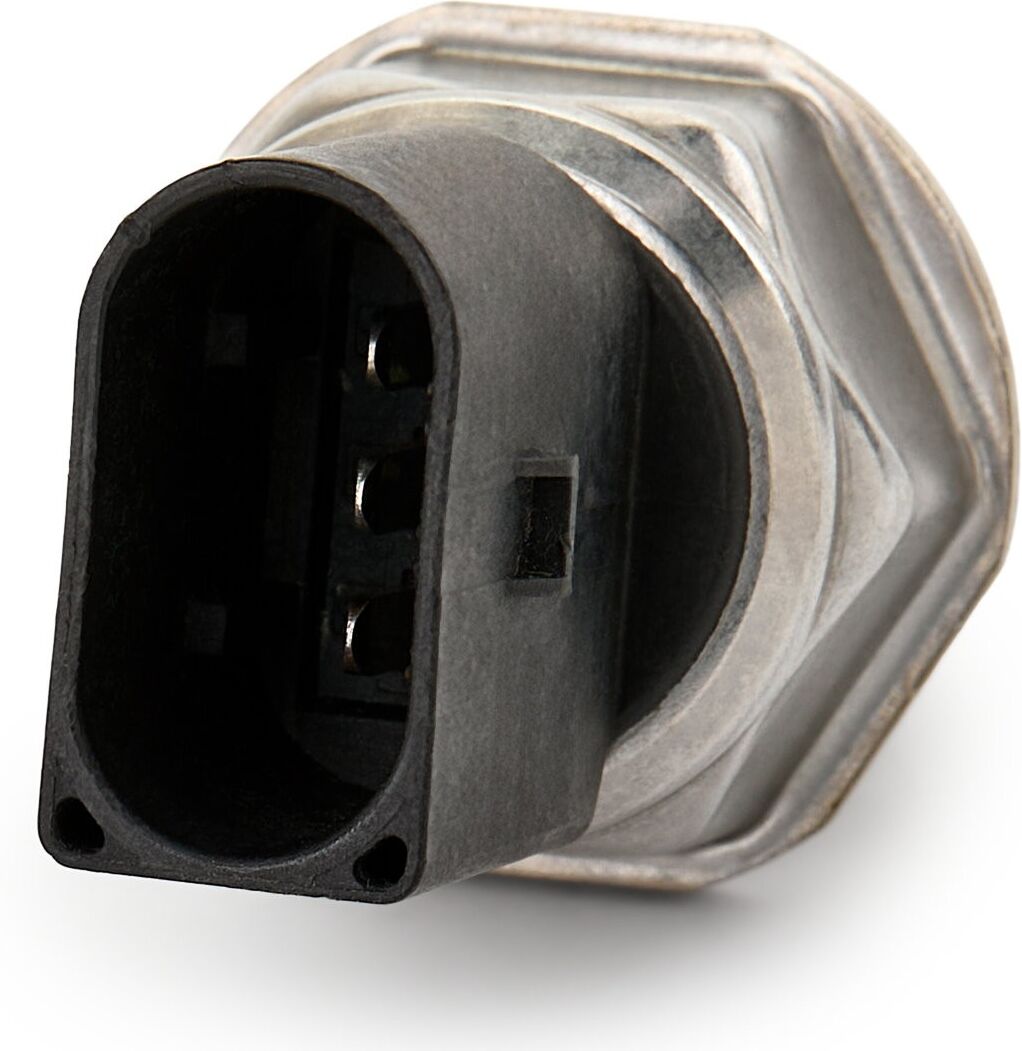
Similar search terms for RIDEX-3996P0009-Fuel-pressure
Top-Angebote
Products related to RIDEX-3996P0009-Fuel-pressure:
-
RIDEX 168C0008 Fuel pressure regulatorOperating Mode: hydraulic; Pressure [bar]: 3,5; Pressure [psi]: 50,8; TecDoc Engine Number: 28380, 28376, 28378, 28388, 28410, 28389, 28397, 28398, 28382, 28390, 28391; Construction Year from: 07/1992; Production date to: 30.04.2002; TecDoc PC Type Number: 15894, 15895, 126077, 126078, 15266, 15269, 15270, 15272, 15454, 15455, 15456, 15457, 15925, 105995, 15271, 15273, 106008, 17176, 49, 52, 53, 3825, 50, 3726, 3811, 9201, 13259, 5110, 5098, 5102, 5103, 5109, 54, 55, 238, 251, 302, 241, 242, 252, 253, 303, 35674, 59, 61, 14186, 14427, 4623, 5052, 7745, 121968, 5093, 7747, 4628, 5095, 5099, 5100, 8784, 10502, 106006, 126080, 14397, 9091, 4624, 4627, 4629, 4630, 5094, 5105, 7746, 8829, 9090, 245, 255, 287, 3812, 3813, 250, 290, 3727, 3814, 4635, 5106, 5545, 121950, 13088, 5104, 5107, 5404, 7748, 124064, 13042, 3815, 3816, 124065, 249, 3846, 35772, 16328, 35769, 35773, 35776, 35796, 35801, 15924, 16325, 1674118,99 £*Shipping: 8,45 £Secure redirect to the provider
-
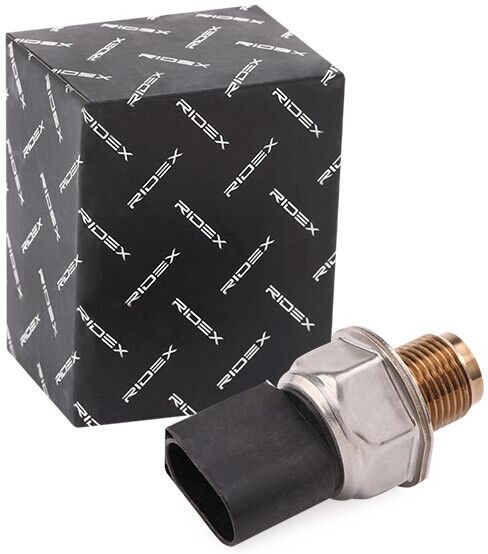
RIDEX 3942S0044 Fuel pressure sensorThread Size: M 12; Thread Pitch [mm]: 1,5; Spanner Size: 24; Number of pins: 3; Supplementary Article / Supplementary Info Info 2: without seal ring; Connector Shape: oval; Housing Colour: black; Housing material: GRP (Glass fibre Reinforced Plastic); Fuel Mixture Formation: Common Rail (CR); Voltage [V]: 12; TecDoc Engine Number: 23792, 23791, 26045; Engine Number to: 4174271925,49 £*Shipping: 8,45 £Secure redirect to the provider


-
What does the low-pressure fuel sensor do?
The low-pressure fuel sensor is responsible for monitoring the fuel pressure in the fuel system of a vehicle. It detects any fluctuations or drops in fuel pressure and sends this information to the engine control unit. This data helps the engine control unit adjust the fuel delivery to ensure optimal engine performance and fuel efficiency. If the sensor detects a significant drop in fuel pressure, it can trigger a warning light on the dashboard to alert the driver of a potential issue. **
-
Why did the pressure on the jersey come loose?
The pressure on the jersey came loose because the stitching or adhesive that was holding it in place became worn out or weakened over time. This could have been due to regular wear and tear, washing, or stretching of the fabric. Additionally, if the jersey was not properly cared for or if it was exposed to excessive heat or moisture, this could have also contributed to the pressure coming loose. **
-
Are bicycle tires sensitive to prolonged pressure?
Yes, bicycle tires are sensitive to prolonged pressure. Overinflating or underinflating the tires can lead to premature wear and tear, affecting the overall performance and lifespan of the tires. It is important to regularly check and maintain the correct tire pressure to ensure a smooth and safe ride. **
-
How much pressure can my bicycle handle?
The maximum pressure that a bicycle tire can handle is typically indicated on the sidewall of the tire. It is important to check this number and not exceed it, as overinflating the tire can lead to a blowout. The recommended pressure range for most bicycle tires is usually between 30-80 psi, but this can vary depending on the type and size of the tire. It is important to regularly check and maintain the tire pressure to ensure optimal performance and safety while riding. **

At what pressure does air become so hot that it ignites the fuel in a diesel engine?
Air becomes so hot that it ignites the fuel in a diesel engine at a pressure of around 500 psi (pounds per square inch). This high pressure causes the air to reach temperatures of over 1,000 degrees Fahrenheit, which is hot enough to ignite the diesel fuel without the need for a spark plug. This process is known as compression ignition, and it is the key principle behind the operation of diesel engines. **
How much pressure can a bicycle tire withstand?
The pressure that a bicycle tire can withstand varies depending on the type of tire and the manufacturer's specifications. Generally, most bicycle tires can handle pressures ranging from 40 to 80 psi (pounds per square inch). It is important to check the recommended pressure range for your specific tire to ensure optimal performance and safety while riding. Overinflating a tire beyond its recommended pressure can lead to a blowout, while underinflating can cause poor handling and increased risk of flats. **
Top-Angebote
Products related to RIDEX-3996P0009-Fuel-pressure:
-
What is a Ridex cabin air filter?
A Ridex cabin air filter is a type of air filter designed specifically for the cabin of a vehicle. It is installed in the HVAC system of the car to help improve the air quality inside the cabin by filtering out dust, pollen, and other airborne particles. This can help reduce allergens and pollutants inside the vehicle, creating a cleaner and healthier environment for the occupants. Ridex cabin air filters are typically made with high-quality materials and are designed to be a direct replacement for the original filter in the vehicle. **
-
What does the fuel low-pressure sensor do?
The fuel low-pressure sensor is responsible for monitoring the pressure of the fuel in the fuel system. It detects when the fuel pressure drops below a certain threshold, indicating that there may be an issue with the fuel system such as a leak or a clog. When the sensor detects low fuel pressure, it sends a signal to the vehicle's engine control unit (ECU) to alert the driver through a warning light on the dashboard. This helps prevent potential damage to the engine and ensures the vehicle operates efficiently. **
-
What does the low-pressure fuel sensor do?
The low-pressure fuel sensor is responsible for monitoring the fuel pressure in the fuel system of a vehicle. It detects any fluctuations or drops in fuel pressure and sends this information to the engine control unit. This data helps the engine control unit adjust the fuel delivery to ensure optimal engine performance and fuel efficiency. If the sensor detects a significant drop in fuel pressure, it can trigger a warning light on the dashboard to alert the driver of a potential issue. **
-
Why did the pressure on the jersey come loose?
The pressure on the jersey came loose because the stitching or adhesive that was holding it in place became worn out or weakened over time. This could have been due to regular wear and tear, washing, or stretching of the fabric. Additionally, if the jersey was not properly cared for or if it was exposed to excessive heat or moisture, this could have also contributed to the pressure coming loose. **
Similar search terms for RIDEX-3996P0009-Fuel-pressure
-
RIDEX 168C0008 Fuel pressure regulatorOperating Mode: hydraulic; Pressure [bar]: 3,5; Pressure [psi]: 50,8; TecDoc Engine Number: 28380, 28376, 28378, 28388, 28410, 28389, 28397, 28398, 28382, 28390, 28391; Construction Year from: 07/1992; Production date to: 30.04.2002; TecDoc PC Type Number: 15894, 15895, 126077, 126078, 15266, 15269, 15270, 15272, 15454, 15455, 15456, 15457, 15925, 105995, 15271, 15273, 106008, 17176, 49, 52, 53, 3825, 50, 3726, 3811, 9201, 13259, 5110, 5098, 5102, 5103, 5109, 54, 55, 238, 251, 302, 241, 242, 252, 253, 303, 35674, 59, 61, 14186, 14427, 4623, 5052, 7745, 121968, 5093, 7747, 4628, 5095, 5099, 5100, 8784, 10502, 106006, 126080, 14397, 9091, 4624, 4627, 4629, 4630, 5094, 5105, 7746, 8829, 9090, 245, 255, 287, 3812, 3813, 250, 290, 3727, 3814, 4635, 5106, 5545, 121950, 13088, 5104, 5107, 5404, 7748, 124064, 13042, 3815, 3816, 124065, 249, 3846, 35772, 16328, 35769, 35773, 35776, 35796, 35801, 15924, 16325, 1674118,99 £*Shipping: 8,45 £Secure redirect to the provider
-
RIDEX 3942S0044 Fuel pressure sensorThread Size: M 12; Thread Pitch [mm]: 1,5; Spanner Size: 24; Number of pins: 3; Supplementary Article / Supplementary Info Info 2: without seal ring; Connector Shape: oval; Housing Colour: black; Housing material: GRP (Glass fibre Reinforced Plastic); Fuel Mixture Formation: Common Rail (CR); Voltage [V]: 12; TecDoc Engine Number: 23792, 23791, 26045; Engine Number to: 4174271925,49 £*Shipping: 8,45 £Secure redirect to the provider
-
RIDEX 168C0015 Fuel pressure regulatorOperating Mode: Electric; Engine Code: XU5JPZ, XU7JPK/TR, XU10J2CK, XU7JPZ, XU10J2CZ, TU2J2, XU10J2U, XU7JP/L3, XU7JP, XU7JP/K; Construction Year from: 01/1997, 01/1994; Construction Year to: 12/1997, 04/199527,99 £*Shipping: 8,45 £Secure redirect to the provider
-
RIDEX 3942S0056 Fuel pressure sensorSupplementary Article / Supplementary Info Info 2: High-pressure Side; Fuel Mixture Formation: Direct Injection; Number of pins: 3; Construction Year to: 03/2015, 08/2015, 07/2015, 08/2016, 12/2014, 07/2013, 12/2017, 08/2014, 12/2018, 12/2016, 04/2018; TecDoc Engine Number: 25877, 25878, 26478, 33182, 26479, 33179, 33180, 28261, 31109, 31086, 32681, 35267, 35708, 35709; Construction Year from: 01/2011, 09/2013, 09/2012, 11/2012, 04/2014, 08/2014, 10/2014, 05/2018; Engine Code: M2D...<Euro 6>, SFD...<Euro 5>, M2DC<Euro 6>, YYJF<Euro 6>, M1DD<Euro 6>22,49 £*Shipping: 8,45 £Secure redirect to the provider
-
Are bicycle tires sensitive to prolonged pressure?
Yes, bicycle tires are sensitive to prolonged pressure. Overinflating or underinflating the tires can lead to premature wear and tear, affecting the overall performance and lifespan of the tires. It is important to regularly check and maintain the correct tire pressure to ensure a smooth and safe ride. **
-
How much pressure can my bicycle handle?
The maximum pressure that a bicycle tire can handle is typically indicated on the sidewall of the tire. It is important to check this number and not exceed it, as overinflating the tire can lead to a blowout. The recommended pressure range for most bicycle tires is usually between 30-80 psi, but this can vary depending on the type and size of the tire. It is important to regularly check and maintain the tire pressure to ensure optimal performance and safety while riding. **
-
At what pressure does air become so hot that it ignites the fuel in a diesel engine?
Air becomes so hot that it ignites the fuel in a diesel engine at a pressure of around 500 psi (pounds per square inch). This high pressure causes the air to reach temperatures of over 1,000 degrees Fahrenheit, which is hot enough to ignite the diesel fuel without the need for a spark plug. This process is known as compression ignition, and it is the key principle behind the operation of diesel engines. **
-
How much pressure can a bicycle tire withstand?
The pressure that a bicycle tire can withstand varies depending on the type of tire and the manufacturer's specifications. Generally, most bicycle tires can handle pressures ranging from 40 to 80 psi (pounds per square inch). It is important to check the recommended pressure range for your specific tire to ensure optimal performance and safety while riding. Overinflating a tire beyond its recommended pressure can lead to a blowout, while underinflating can cause poor handling and increased risk of flats. **
* All prices are inclusive of VAT and, if applicable, plus shipping costs. The offer information is based on the details provided by the respective shop and is updated through automated processes. Real-time updates do not occur, so deviations can occur in individual cases. ** Note: Parts of this content were created by AI.