Buy tduq.com ?
We are moving the project
tduq.com .
Are you interested in purchasing the domain
tduq.com ?
domain@kv-gmbh.de · 0541-91531010
Buy tduq.com ?
Can you explain saponification?
Saponification is a chemical reaction that occurs when a fat or oil is mixed with a strong alkali, such as sodium hydroxide (lye), resulting in the formation of soap and glycerin. During saponification, the alkali breaks down the ester bonds in the fat molecules, releasing fatty acids and glycerol. The fatty acids then react with the alkali to form soap molecules, while glycerin is a byproduct of the reaction. This process is commonly used in the production of soap. **
How does saponification work in chemistry?
Saponification is a chemical reaction that involves the hydrolysis of ester bonds in fats and oils by a strong base, typically sodium hydroxide or potassium hydroxide. This reaction results in the formation of glycerol and soap molecules, which are the salts of fatty acids. The hydroxide ions from the base break the ester bonds in the triglyceride molecules, releasing the fatty acids and glycerol. The fatty acids then react with the metal ions from the base to form soap molecules, which are soluble in water and have detergent properties. **


Similar search terms for Saponification
Top-Angebote
Products related to Saponification:
-
Inspire Select Squeaky Duck Bike Horn With Shark Helmet & Propeller Cute Rubber Duck Bicycle Handlebar Decoration 2Add fun, personality, and playful charm to every ride with this adorable squeaky duck bike horn designed to entertain both kids and adults alike. Featuring a cute rubber duck wearing a shark helmet with a spinning propeller, this unique accessory...70,95 $*Shipping: 0,00 $Secure redirect to the provider
-
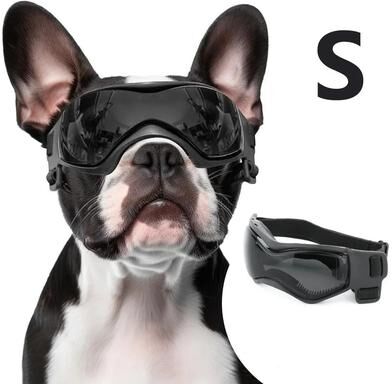
Uplift Treasures Adjustable UV Protection Dog Sunglasses Adjustable UV Protection Dog SunglassesProduct Description: Protect your pets eyes in style with these adjustable dog sunglasses designed for small and medium breeds. Featuring UV protection, a soft comfortable frame, and windproof design, these pet goggles are perfect for outdoor walks,...75,97 $*Shipping: 0,00 $Secure redirect to the provider
-
Multisell Products Hub Breathable Sunscreen Motorcycle Half Helmet, Capybara Sticker Electric Bicycle Helmet With Cat Ears black LensesProtective and Stylish Design The Capybara Sticker Electric Bicycle Helmet offers not only safety but a fun, stylish design for every cyclist. Featuring cat ears, this half helmet makes a statement while ensuring you stay protected. Its unique,...49,97 $*Shipping: 0,00 $Secure redirect to the provider
-
Multisell Products Hub Breathable Sunscreen Motorcycle Half Helmet, Capybara Sticker Electric Bicycle Helmet With Cat Ears pink grey LensesProtective and Stylish Design The Capybara Sticker Electric Bicycle Helmet offers not only safety but a fun, stylish design for every cyclist. Featuring cat ears, this half helmet makes a statement while ensuring you stay protected. Its unique,...49,97 $*Shipping: 0,00 $Secure redirect to the provider



-
What are chemical reactions in saponification?
Chemical reactions in saponification involve the reaction of a fat or oil with a strong base, typically sodium hydroxide or potassium hydroxide. This reaction results in the formation of soap and glycerol. The fatty acids in the fat or oil react with the base to form the soap molecules, while glycerol is a byproduct of the reaction. Saponification is a key process in soap-making and is essential for the production of soap. **
-
Is this saponification reaction equation correct?
Yes, the saponification reaction equation provided is correct. Saponification is the process of making soap by reacting a fat or oil with a strong base, such as sodium hydroxide or potassium hydroxide. The reaction results in the formation of soap (sodium or potassium salts of fatty acids) and glycerol. The equation shown accurately represents this chemical transformation. **
-
What is the equation for saponification?
The general equation for saponification is: ester + base → alcohol + carboxylate salt. In the specific case of the saponification of a triglyceride (fat or oil) with a strong base such as sodium hydroxide, the equation is: triglyceride + sodium hydroxide → glycerol + 3 fatty acid salts. **
-
How can one derive the saponification value?
The saponification value can be derived by determining the amount of potassium hydroxide (KOH) or sodium hydroxide (NaOH) required to saponify a specific amount of fat or oil. This is typically done through a chemical reaction where the fat or oil is mixed with a known concentration of KOH or NaOH. The amount of KOH or NaOH used in the reaction is then measured, and the saponification value is calculated based on the molecular weight of the fat or oil. This value is important in determining the amount of alkali needed for soap making or in assessing the purity of fats and oils. **


What is the reaction equation for saponification?
The reaction equation for saponification involves the hydrolysis of an ester, typically a triglyceride, with a strong base such as sodium hydroxide or potassium hydroxide. The general equation for saponification is: Ester + Base → Alcohol + Salt of Fatty Acid. For example, in the saponification of a triglyceride like olive oil, the reaction equation would be: Triglyceride (olive oil) + 3NaOH → Glycerol + 3 Sodium Salts of Fatty Acids (soap). **
Need help with calculating the saponification value.
To calculate the saponification value of a fat or oil, you need to know the molecular weight of the fatty acid present in the sample. The saponification value is the amount of potassium hydroxide (KOH) required to saponify one gram of the fat or oil. You can calculate the saponification value using the formula: Saponification value = (560 x saponification equivalent weight) / molecular weight of the fatty acid. This value is important in determining the amount of lye needed for soap making or in quality control of fats and oils. **
Top-Angebote
Products related to Saponification:
-
Multisell Products Hub Breathable Sunscreen Motorcycle Half Helmet, Capybara Sticker Electric Bicycle Helmet With Cat Ears pink LensesProtective and Stylish Design The Capybara Sticker Electric Bicycle Helmet offers not only safety but a fun, stylish design for every cyclist. Featuring cat ears, this half helmet makes a statement while ensuring you stay protected. Its unique,...49,97 $*Shipping: 0,00 $Secure redirect to the provider
-
Inspired Living 27 Piece Helmet Padding Kit Universal Motorcycle & Bicycle Comfort Foam Replacement Set blackRiding should feel smooth, secure, and comfortablenot tight or irritating. This allinone helmet padding kit restores the snug, cushioned fit your helmet once had, making every ride more enjoyable. Designed for riders who value comfort and safety, it...23,97 $*Shipping: 0,00 $Secure redirect to the provider
-
Inspire Select Squeaky Duck Bike Horn With Shark Helmet & Propeller Cute Rubber Duck Bicycle Handlebar Decoration 2Add fun, personality, and playful charm to every ride with this adorable squeaky duck bike horn designed to entertain both kids and adults alike. Featuring a cute rubber duck wearing a shark helmet with a spinning propeller, this unique accessory...70,95 $*Shipping: 0,00 $Secure redirect to the provider
-
Uplift Treasures Adjustable UV Protection Dog Sunglasses Adjustable UV Protection Dog SunglassesProduct Description: Protect your pets eyes in style with these adjustable dog sunglasses designed for small and medium breeds. Featuring UV protection, a soft comfortable frame, and windproof design, these pet goggles are perfect for outdoor walks,...75,97 $*Shipping: 0,00 $Secure redirect to the provider
-
Can you explain saponification?
Saponification is a chemical reaction that occurs when a fat or oil is mixed with a strong alkali, such as sodium hydroxide (lye), resulting in the formation of soap and glycerin. During saponification, the alkali breaks down the ester bonds in the fat molecules, releasing fatty acids and glycerol. The fatty acids then react with the alkali to form soap molecules, while glycerin is a byproduct of the reaction. This process is commonly used in the production of soap. **
-
How does saponification work in chemistry?
Saponification is a chemical reaction that involves the hydrolysis of ester bonds in fats and oils by a strong base, typically sodium hydroxide or potassium hydroxide. This reaction results in the formation of glycerol and soap molecules, which are the salts of fatty acids. The hydroxide ions from the base break the ester bonds in the triglyceride molecules, releasing the fatty acids and glycerol. The fatty acids then react with the metal ions from the base to form soap molecules, which are soluble in water and have detergent properties. **
-
What are chemical reactions in saponification?
Chemical reactions in saponification involve the reaction of a fat or oil with a strong base, typically sodium hydroxide or potassium hydroxide. This reaction results in the formation of soap and glycerol. The fatty acids in the fat or oil react with the base to form the soap molecules, while glycerol is a byproduct of the reaction. Saponification is a key process in soap-making and is essential for the production of soap. **
-
Is this saponification reaction equation correct?
Yes, the saponification reaction equation provided is correct. Saponification is the process of making soap by reacting a fat or oil with a strong base, such as sodium hydroxide or potassium hydroxide. The reaction results in the formation of soap (sodium or potassium salts of fatty acids) and glycerol. The equation shown accurately represents this chemical transformation. **
Similar search terms for Saponification
-
Multisell Products Hub Breathable Sunscreen Motorcycle Half Helmet, Capybara Sticker Electric Bicycle Helmet With Cat Ears black LensesProtective and Stylish Design The Capybara Sticker Electric Bicycle Helmet offers not only safety but a fun, stylish design for every cyclist. Featuring cat ears, this half helmet makes a statement while ensuring you stay protected. Its unique,...49,97 $*Shipping: 0,00 $Secure redirect to the provider
-
Multisell Products Hub Breathable Sunscreen Motorcycle Half Helmet, Capybara Sticker Electric Bicycle Helmet With Cat Ears pink grey LensesProtective and Stylish Design The Capybara Sticker Electric Bicycle Helmet offers not only safety but a fun, stylish design for every cyclist. Featuring cat ears, this half helmet makes a statement while ensuring you stay protected. Its unique,...49,97 $*Shipping: 0,00 $Secure redirect to the provider
-
Multisell Products Hub Breathable Sunscreen Motorcycle Half Helmet, Capybara Sticker Electric Bicycle Helmet With Cat Ears black grey LensesProtective and Stylish Design The Capybara Sticker Electric Bicycle Helmet offers not only safety but a fun, stylish design for every cyclist. Featuring cat ears, this half helmet makes a statement while ensuring you stay protected. Its unique,...49,97 $*Shipping: 0,00 $Secure redirect to the provider
-
Inspire Select Squeaky Duck Bike Horn With Shark Helmet & Propeller Cute Rubber Duck Bicycle Handlebar Decoration 13Add fun, personality, and playful charm to every ride with this adorable squeaky duck bike horn designed to entertain both kids and adults alike. Featuring a cute rubber duck wearing a shark helmet with a spinning propeller, this unique accessory...70,95 $*Shipping: 0,00 $Secure redirect to the provider
-
What is the equation for saponification?
The general equation for saponification is: ester + base → alcohol + carboxylate salt. In the specific case of the saponification of a triglyceride (fat or oil) with a strong base such as sodium hydroxide, the equation is: triglyceride + sodium hydroxide → glycerol + 3 fatty acid salts. **
-
How can one derive the saponification value?
The saponification value can be derived by determining the amount of potassium hydroxide (KOH) or sodium hydroxide (NaOH) required to saponify a specific amount of fat or oil. This is typically done through a chemical reaction where the fat or oil is mixed with a known concentration of KOH or NaOH. The amount of KOH or NaOH used in the reaction is then measured, and the saponification value is calculated based on the molecular weight of the fat or oil. This value is important in determining the amount of alkali needed for soap making or in assessing the purity of fats and oils. **
-
What is the reaction equation for saponification?
The reaction equation for saponification involves the hydrolysis of an ester, typically a triglyceride, with a strong base such as sodium hydroxide or potassium hydroxide. The general equation for saponification is: Ester + Base → Alcohol + Salt of Fatty Acid. For example, in the saponification of a triglyceride like olive oil, the reaction equation would be: Triglyceride (olive oil) + 3NaOH → Glycerol + 3 Sodium Salts of Fatty Acids (soap). **
-
Need help with calculating the saponification value.
To calculate the saponification value of a fat or oil, you need to know the molecular weight of the fatty acid present in the sample. The saponification value is the amount of potassium hydroxide (KOH) required to saponify one gram of the fat or oil. You can calculate the saponification value using the formula: Saponification value = (560 x saponification equivalent weight) / molecular weight of the fatty acid. This value is important in determining the amount of lye needed for soap making or in quality control of fats and oils. **
* All prices are inclusive of VAT and, if applicable, plus shipping costs. The offer information is based on the details provided by the respective shop and is updated through automated processes. Real-time updates do not occur, so deviations can occur in individual cases. ** Note: Parts of this content were created by AI.